Artificial intelligence is gradually making its way into architecture firms. Not to draw in place of the designer, but to take on the peripheral tasks that eat away at the workday: drafting documents, monitoring regulatory changes, exploring design alternatives, creating mood renderings, or preparing construction site reports. Long reserved for large firms, this technology is now becoming accessible to small firms and independent architects alike. Behind the promise of efficiency, however, three very concrete questions arise for the profession: how much time is actually saved, what is the impact on project timelines, and what are the implications for the image presented to clients?
For many firms, the debate is no longer about whether AI has a place, but how to use it effectively on a daily basis. When it comes to repetitive, low-value-added tasks, the goal is simple: to save time with AI so that time can be reinvested where the architect’s expertise truly makes a difference.
An industry that is reinventing itself around value-added services
The primary benefit of AI in agencies relates to document and administrative tasks, which have long been time-consuming. Current tools help draft technical specifications or project descriptions, summarize regulatory updates (accessibility, RE2020 environmental regulations), compare bids from contractors, and verify that a building permit application is complete before submission. In the early stages, the generation of sketches and renderings allows for the rapid exploration of several options before beginning detailed design work. The profession isn’t disappearing—it’s shifting toward decision-making that requires professional judgment.
Tasks Handled by AI
Assisted writing, document filing, extracting information from complex standards, and drafting a report based on notes taken on-site: these are all tasks that the machine performs quickly and tirelessly. The architect retains control over final approval, but rarely starts from a blank page, which reduces the fatigue associated with the most mechanical tasks. It is often these small, accumulated frustrations—more than the major projects—that weigh on a firm’s profitability.
What Remains at the Heart of the Business
Balancing constraints, defining the architectural vision, engaging with the client, coordinating stakeholders, and overseeing construction remain profoundly human tasks. AI does not resolve trade-offs between budget, use, site, and regulations; rather, it lays the groundwork so that the architect can do so with greater peace of mind. In fact, this is the prevailing view in the profession today: an assistant, not a substitute. The designer’s creativity and responsibility, however, remain beyond the reach of automation.
From Sketch to Construction Site: Real-World Applications
During the design phase, generating visuals makes it possible to test a mood, a material, or a layout in just a few moments. These visuals do not replace technical drawings, but they streamline discussions with the client: instead of trying to imagine the final result based on a sketch, the client can visualize several possibilities and make a decision more quickly. The designer retains control over the architectural process and uses these proposals only as a starting point, never as a final deliverable.
On the administrative side, the preparation of written documents clearly illustrates the benefit. A technical specification, a safety notice, or a lot description follow recurring templates that AI can pre-fill using project data. The architect reviews, corrects, and customizes the documents, but saves hours that would otherwise be spent starting from scratch with scattered templates. The same logic applies to the analysis of contractor bids, where a comparison table can be generated automatically before human review.
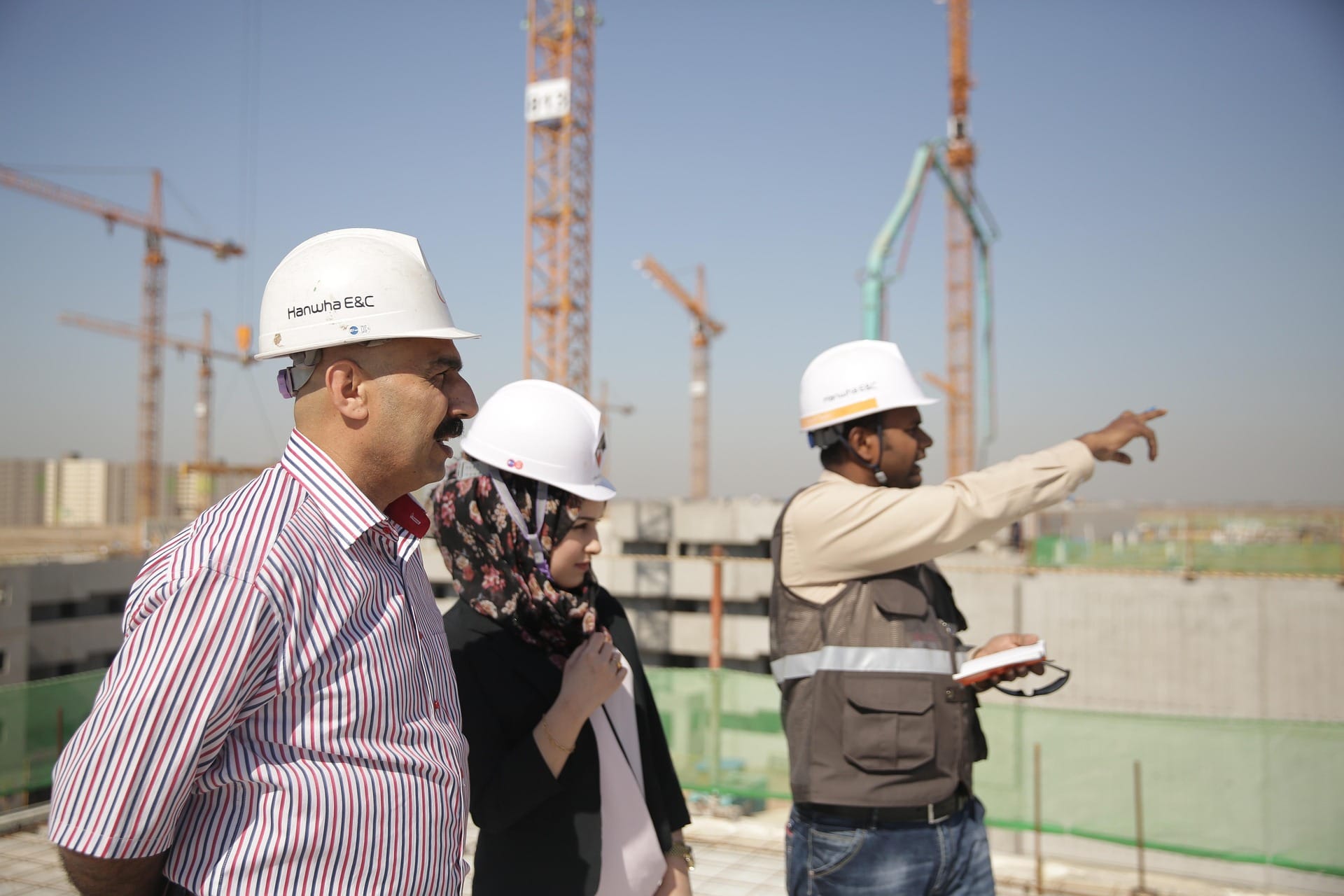
On-site, construction site monitoring also benefits from these tools. A site visit report can be drafted the same day based on a few notes or a voice recording, then quickly shared with all stakeholders. Some solutions compare actual progress to the plans to identify discrepancies. The result: less time wasted in the evening writing up reports, and a paper trail that protects the agency in the event of a dispute.
Timelines reevaluated at every stage of the project
The most noticeable benefit relates to internal turnaround times. A rendering that used to require several hours of computation and refinement can now be produced in just a few minutes, which reduces the number of back-and-forth exchanges with the client. In the preliminary design phase, the ability to generate variants speeds up the exploration of layout and volumetric scenarios. This responsiveness also changes the business relationship: responding more quickly to a request for changes or a request for proposals becomes a real advantage, and sometimes makes it possible to handle more projects with the same number of staff.
However, it’s important to keep one nuance in mind. AI shortens production timelines, not regulatory ones: the processing of a permit, coordination periods, or business consultation phases follow their own schedules, which technology does not shorten. Promising the opposite to a client could lead to disappointment. The real business benefit lies less in a race for speed than in a better distribution of the workload: tedious tasks are automated, profit margins are preserved, and energy is refocused on the quality of the project.
AI and Reputation: Trust Is Built on Transparency
An architect’s reputation depends largely on responsiveness, the clarity of the documents provided, and the quality of follow-up. By freeing up time spent on administrative tasks, AI allows architects to be more available and more precise—two qualities that carry significant weight in word-of-mouth and online reviews. Conversely, there are a few risks worth noting: a rendering that is too flattering can create a disconnect with the actual finished project and lead to disappointment, while issues of copyright, liability, and data protection remain. On these issues, the Order of Architects urges the profession to use AI responsibly, in accordance with ethical standards and intellectual property rights.
Online reputation also comes into play. Online portfolios, customer reviews, and listings in business directories: all these factors require attention, and the time saved through automation can be used specifically to maintain them. Transparency remains your best ally: indicating when an image is an AI-generated concept, ensuring human validation of every deliverable, and staying true to what will actually be built all strengthen credibility rather than undermining it. In an era where clients research online before reaching out, this consistency between messaging, imagery, and actual work becomes an asset in its own right.
Adopting AI Without Losing Your Identity
To take advantage of these tools without getting sidetracked, it’s best to start with tasks that offer a high return on investment—such as drafting documents or writing meeting minutes—before gradually expanding the scope. Prioritizing solutions that integrate with existing business software (CAD, BIM) helps avoid disrupting established workflows, and a brief training session is often enough to establish best practices and prevent errors. The key is to keep the human element in the loop: AI makes suggestions, the architect makes the final decision. In this way, technology becomes a tool for saving time, ensuring peace of mind, and enhancing quality—all in service of a signature style that cannot be delegated.