Today, a hairstylist’s online reputation determines who fills their appointment book and who watches their chair gather dust. One statistic stands out: according to an IFOP study, more than 8 out of 10 consumers check reviews before choosing a service provider. For a salon, this means that a potential client has already judged your work before even walking through the door. The promise of this article is simple: to give you a practical method for turning every haircut into a 5-star review, attracting more clients, and staying one step ahead of the salon across the street.
In brief
- Only 2% of satisfied customers leave a review on their own. Asking for one makes all the difference.
- It takes up to 40 5-star reviews to offset a 1-star review and bring the rating back up to 4.9.
- Responding to 100% of reviews—both positive and negative—doubles your perceived credibility.
- Generative AI primarily recommends high-profile trade shows: the race is already on.
- Multichannel data collection tools save a tremendous amount of time without creating costly dependencies.
Why a Hair Salon’s Online Reputation Matters So Much
A hairstylist’s online reputation acts as a storefront that’s open 24 hours a day, even when the curtains are drawn. In the past, word of mouth in the neighborhood was enough. Today, a potential customer types “hairdresser near me,” reads three reviews, checks the price, and makes a decision in eight seconds flat.
The numbers speak for themselves. When 93% of customers read reviews before making a purchase, your Google listing becomes your best salesperson—or your worst enemy, depending on what’s written there. Imagine Sandra, the manager of a salon in Toulouse: a 4.8 rating, photos of successful highlights, and warm replies to every comment. Two blocks away, her competitor has a dismal 3.2 rating and zero replies. Guess who’s bringing in new customers on Saturday mornings?
A Google rating is as valuable as a good pair of scissors
A high rating doesn’t just boost your ego. It sets off a virtuous cycle. The more positive reviews you get, the higher Google ranks your business listing in the Local Pack—that famous block of three listings that appears at the top of search results. Increased visibility means more clicks, which means more customers, which means more reviews. The cycle works in your favor.
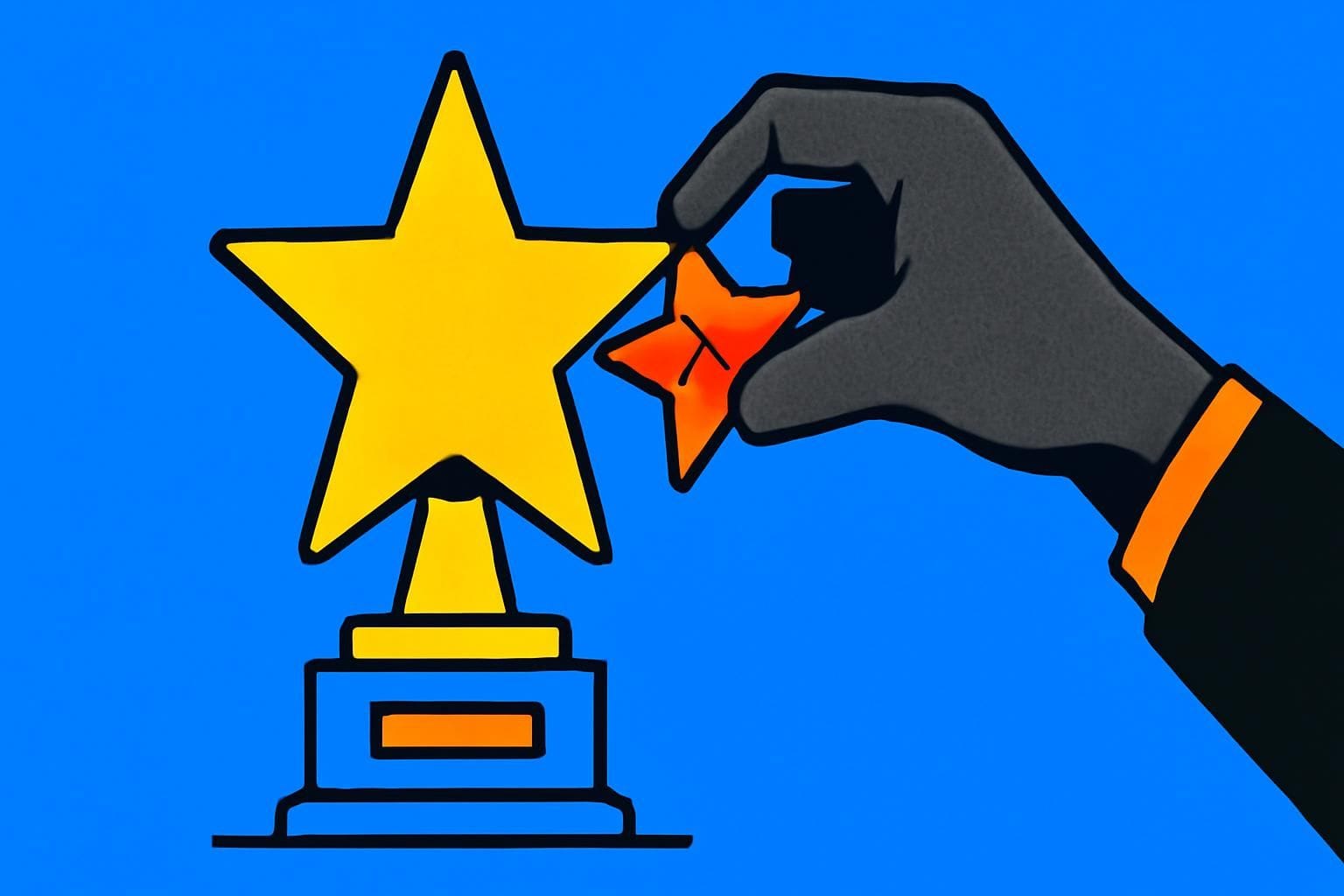
Conversely, every star lost comes at a high cost. A detailed analysis shows just how much a single star lost can cut into your revenue. For a salon with annual revenue of 60,000 euros, dropping from 4.5 to 3.5 can wipe out several thousand euros without any chairs appearing to be empty. The loss in revenue remains invisible, and that is precisely what makes it dangerous.
The Trap of Hidden Costs That No One Calculates
Many hairstylists underestimate what goes on behind the scenes. An unaddressed negative review doesn’t just upset a single customer. It deters dozens of silent visitors who will never say why they didn’t come. These are the hidden costs of a bad reputation—that black hole in your budget that no point-of-sale software can detect.
The lesson can be summed up in one sentence: Your reputation is built one haircut at a time, but it can be ruined by a single poorly handled comment.
How to Ask Your Customers for a Google Review Without Coming Across as Pushy
To get a review, you have to ask for one. Simple, but nine out of ten hairstylists forget this. Only 2% of satisfied customers take the initiative to write a review, while dissatisfied customers never hesitate to do so. The imbalance is stark: your best work goes unnoticed if you don’t ask for feedback.
The good news is that asking for feedback doesn’t turn your salon into a harassment machine. Timing makes all the difference. The ideal moment is right after checkout, when the customer has just admired her reflection in the mirror and the dopamine rush of her “new self” is in full swing.
The channels that really work for fundraising
There are several methods, and combining them yields even better results. The most effective approaches revolve around a few complementary channels:
- The QR code posted at the register or on the mirror: the customer scans it, is taken to your profile, and fills it out in thirty seconds.
- The thank-you text message sent two hours after the appointment, with a direct link.
- A WhatsApp message—more personal—is perfect for regulars.
- A personalized email that includes the recipient’s first name and the service provided.
Take Karim, a barber in Lille. He stuck a small sign with a QR code behind his main chair. In three months, his rating went from 4.1 to 4.7, simply because he’d point to the sign and say, “If you liked your experience, a quick review would help me out a lot.” No pressure, just a habit. Specialized guides also explain how to manage your Google reviews without spending hours on them.
Making the process easier means respecting the customer’s time
A significant number of customers find the process too complicated to leave a review. Others will have forgotten about you within an hour of their visit. Your job is to make the process as simple as possible. A link that opens the review window directly—without ten clicks in between—can dramatically increase the response rate.
A few tips from the field are worth their weight in gold.The National Union of Hairdressing Businesses highlights best practices for managing your reputation, and they all boil down to the same idea: the less effort required, the more reviews you’ll get. Also, remember to ask for a photo of the finished look. A review with a photo carries more weight in Google’s eyes and instantly makes people want to visit your salon.
Keep this in mind: A satisfied customer often wants to help you—they’re just waiting for someone to show them how.
Responding to Negative Reviews Without Losing Your Cool or Your Customers
Responding to a negative review turns criticism into a demonstration of professionalism. A scathing comment visible to everyone, handled calmly and with a solution, is more reassuring than a string of perfect reviews that seem insincere. Silence, on the other hand, comes across as an admission of guilt.
The statistic is staggering: every 1-star review can require up to 40 new 5-star reviews to bring your average back up to 4.9. In other words, a single angry customer can undo weeks of hard work. That’s why your response matters just as much as the haircut itself.
The Three-Step Method for Defusing Criticism
When faced with negative feedback, keep a cool head. The effective approach consists of three steps: acknowledge, explain, and propose. Acknowledge the disappointing experience without denying it. Explain briefly, without going on for ten lines justifying yourself. Propose a concrete solution—ideally, a private conversation.
Imagine this scenario at Émilie’s salon in Bordeaux. A client writes, “The color turned out wrong—my hair looks orange.” Émilie responds publicly: “I’m truly sorry about the result; this isn’t the standard at my salon. I’d like to offer you a free touch-up this week—please contact me directly.” The result: the client returns, changes her review to 5 stars, and every future visitor sees a salon that takes responsibility and makes things right.
| Type of review | Recommended Response | Ideal timeframe |
|---|---|---|
| 5-star review with text | A personalized thank-you note mentioning the service | 24 to 48 hours |
| Well-founded negative opinion | Apology, brief explanation, solution in private | Less than 24 hours |
| Unfair or Aggressive Review | A factual and measured response, without escalating the situation | Less than 24 hours |
| Obvious fake review | A measured response, followed by a report to Google | Immediate |
Dealing with Fake Reviews and Extortion Attempts
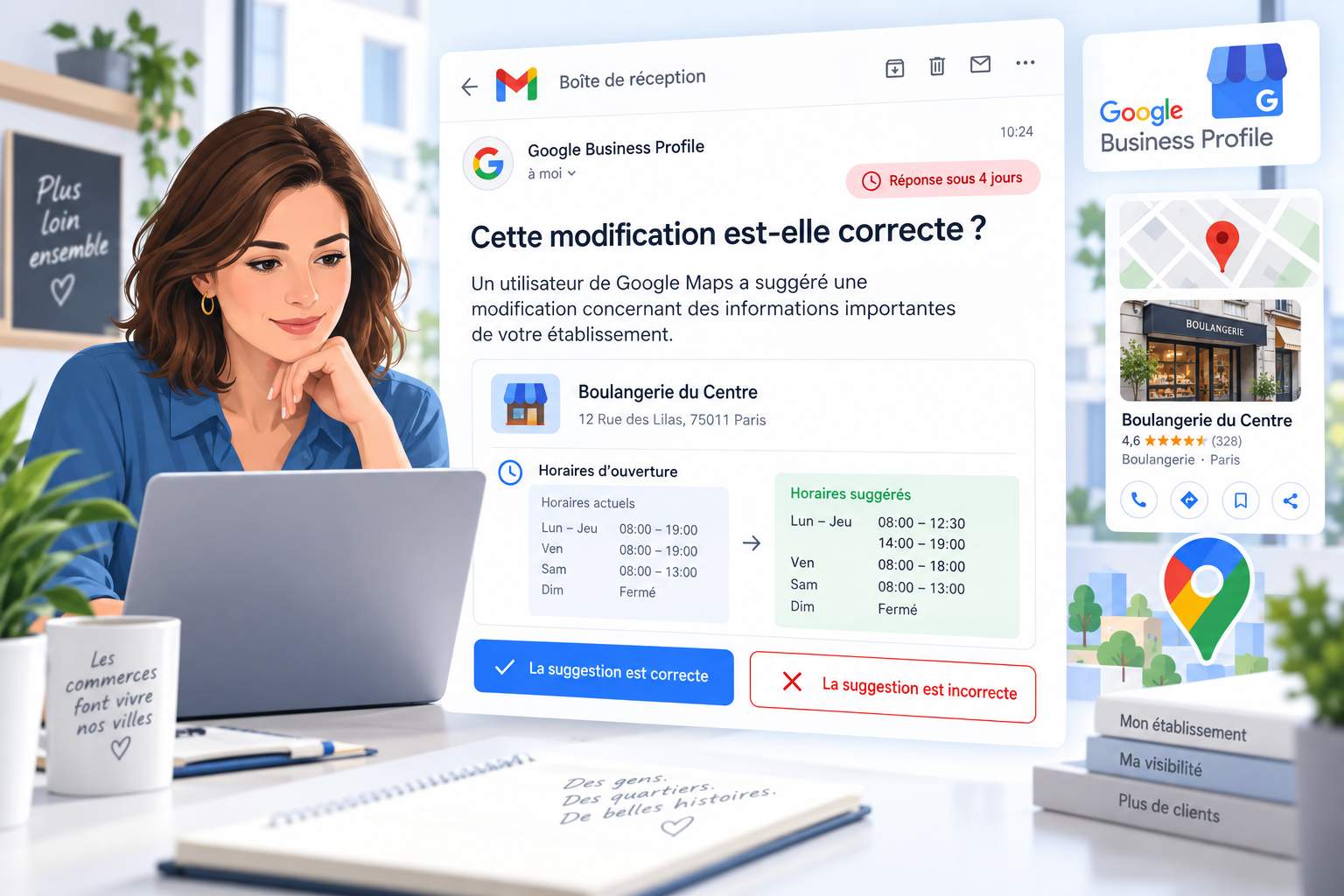
Some reviews don’t even come from real customers. Jealous competitors, bots, or worse, people who threaten to leave a 1-star review if you don’t pay them. These practices exist and affect hair salons as well. When a review violates Google’s rules, you can report it from your business profile.
The government itself has taken up the issue and is now addressing the matter of reviews and reputation. Keeping evidence—such as photos, messages, and schedules—protects you in the event of a dispute. If the situation really escalates, a reputation post-mortem helps you understand what went wrong and strengthen your defense.
The key point to keep in mind: a well-handled negative review becomes public proof of your professionalism.
Which review management tools should you choose for a hair salon?
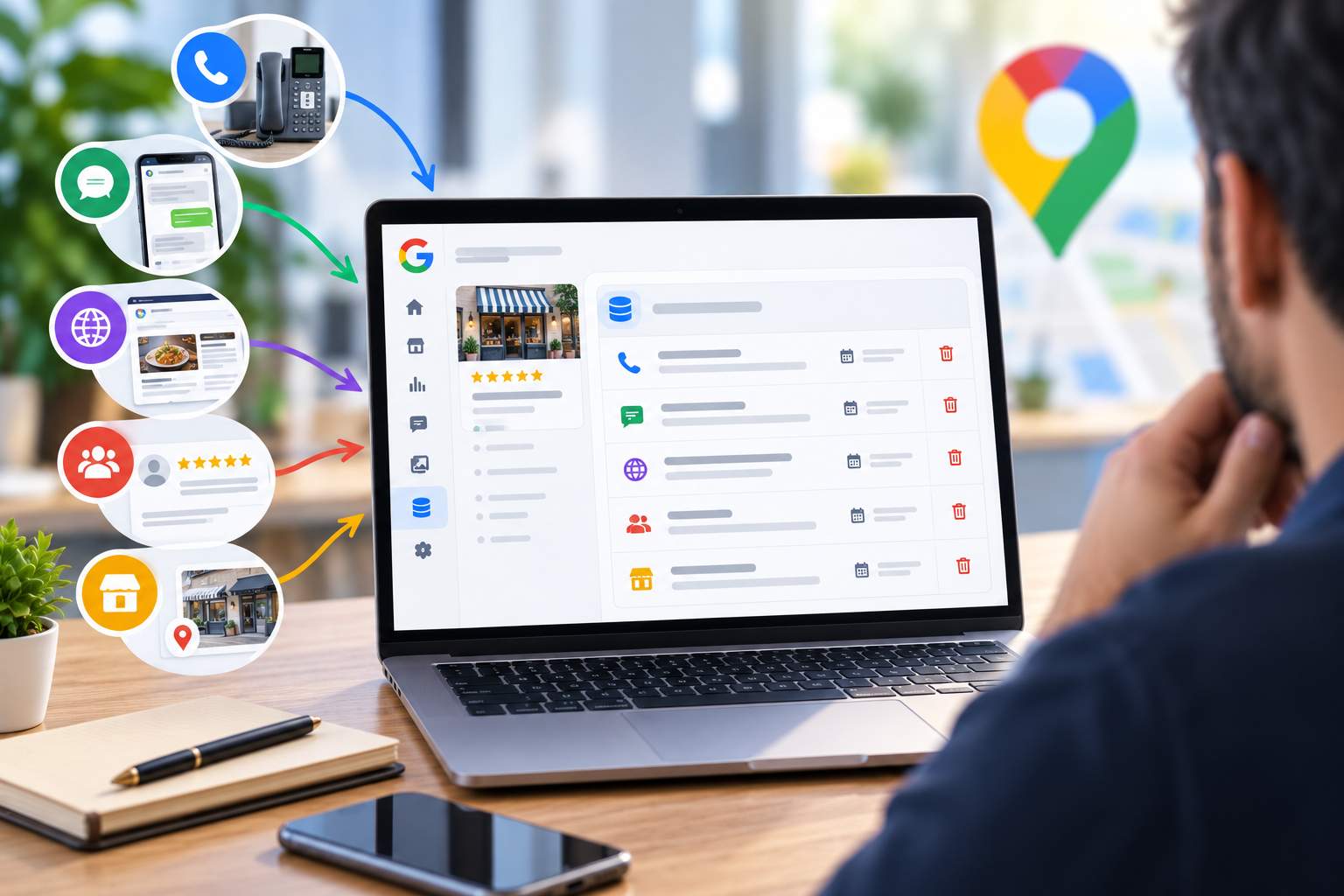
Review management tools automate the collection and response process, freeing up valuable time at the chair. Instead of manually following up with each client, you can schedule the sending of reviews, centralize the responses, and manage your customer satisfaction from a single dashboard. The time saved amounts to hours per week.
The market is flooded with platforms, so you have to know how to sort through them. Several solutions focus on local businesses, from hair salons to florists. Some—such as tools designed for salons or services tailored to small businesses —offer multichannel order collection and AI-powered responses.
Features That Change a Hairdresser’s Life
Not all platforms are created equal. Here are the features that really make a difference for a salon on a day-to-day basis:
- Multichannel campaign: requests for reviews via text message, WhatsApp, email, or QR code, depending on the customer’s profile.
- Private sorting option: Satisfied customers are directed to Google, while dissatisfied customers are directed to a confidential form to resolve the issue before it becomes public.
- AI-assisted response: A draft response generated with a single click, which you can customize in ten seconds.
- Display reviews on your website and your Instagram or Facebook accounts, turning your best reviews into free advertising.
- Cross-platform management: centralization of reviews from more than twenty review sites.
Reliable comparisons list the best review management software, and solutions such as centralized monitoring and response platforms or automated review request generators cover the essentials. The deciding factor remains autonomy: choose a tool that gives you independence over a subscription that ties you down.
Leveraging Social Media and Digital Marketing to Build a Reputation
Your reviews shouldn’t just sit on Google. A well-photographed review, accompanied by a glowing comment reposted on Instagram, fuels your digital marketing and customer loyalty. Social media is becoming a natural extension of your reputation strategy.
A Parisian hairstylist named Léa shares a “client of the day” every week, along with her review in the caption. This simple ritual has boosted her follower count and online appointment bookings. The synergy between reviews and social media content creates a cycle of trust that her low-key competitors can’t match.
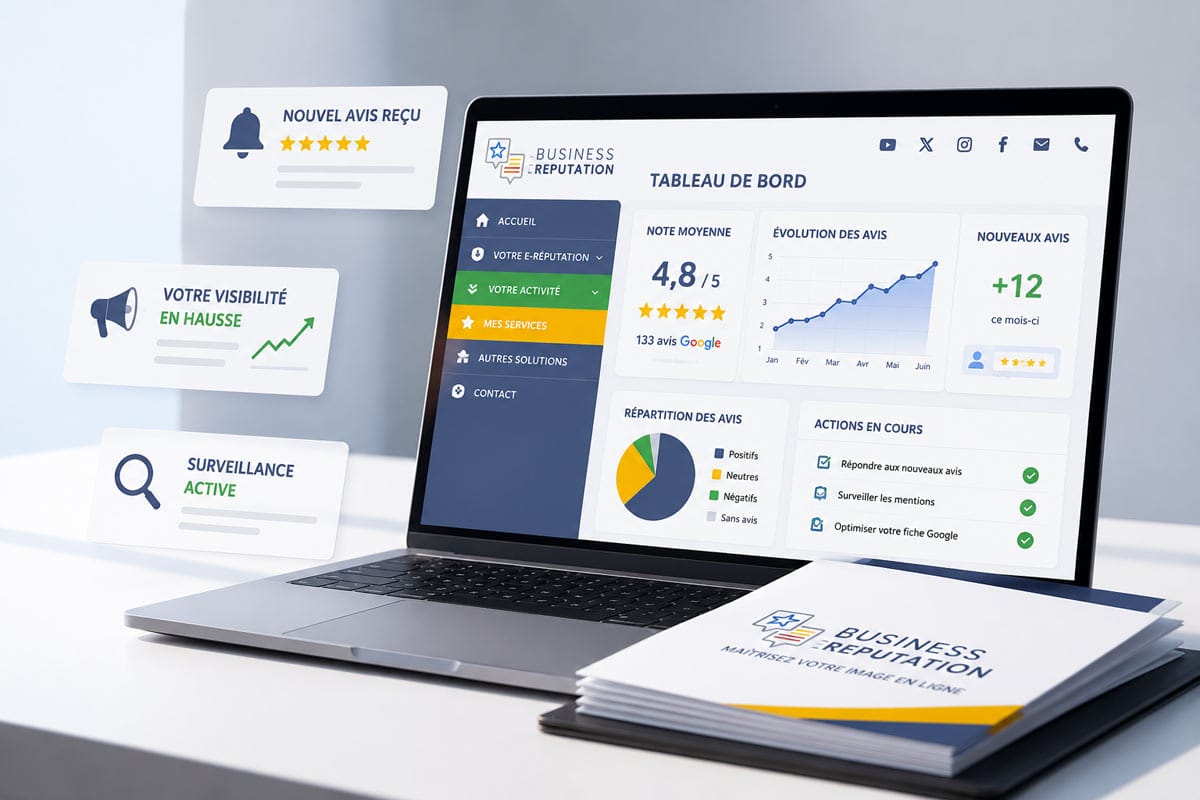
To track your progress, a reputation dashboard shows how your rating has changed over time, the number of reviews, and your response rate. What gets measured gets improved.
Reputation and Generative AI: Why Hairdressers Need to Take Action Starting in 2026
By 2026, generative AI systems will recommend salons directly in their responses, prioritizing highly rated establishments. When a user asks an AI assistant, “What’s the best hair salon in my neighborhood?” the assistant draws on public review data. Highly rated salons come up first; the others disappear from the conversation.
This shift is a game-changer. Yesterday, the battle was fought on Google Maps rankings. Today, it’s also fought based on what AI systems capture and reflect from your review management. A salon with a lot of positive and recent feedback becomes the default recommendation. A salon with reported negative experiences risks being cited as a counterexample.
The Real Risk for a Hairdresser Who Does Nothing
Doing nothing means ceding ground to competitors who, for their part, take care to maintain their image. AI systems rely on the recency of data. A review that’s more than three months old carries much less weight, which means that inconsistent data collection will cause you to fall off the algorithmic radar.
Imagine two neighboring salons. The first one gets five fresh reviews a week and responds to every one. The second one is resting on its laurels, with a rating that hasn’t changed in two years. When an AI assistant is involved, the first one will be recommended, while the second will be ignored. The connection between online reputation, SEO, and brand mentions has never been so tight.
Building a reputation that stands the test of time and algorithms
The key lies in consistent discipline: ongoing data collection, systematic responses, supporting photos, and monitoring of mentions. Retailers that manage multiple locations would be wise to standardize their practices, as explained in the guidelines for harmonizing the reputation of multiple retail locations.
This trend can be seen across all customer-facing industries. The lessons learned from mistakes that drive customers away from auto repair shops also apply to a beauty salon: neglecting customer feedback, responding coldly, or ignoring social media. An international brand never leaves its reputation to chance, and a neighborhood beauty salon can apply the same principles on its own scale.
The bottom line is clear: in a world where AI delivers recommendations, your online reputation is no longer just a marketing tool—it’s your digital business asset. Every successful haircut deserves a 5-star review, and every review you earn sets you a cut above the salon across the street.