It’s that time of year again, and like every summer, I’ve decided to take another look at myself, and for this 6th season with this site, I’ve decided to give more good practices on the daily life of an entrepreneur or shopkeeper. Why do you ask? Because I’ve come to realize that if you don’t follow a course or a little entrepreneurial routine, well, you leave a lot on the sidelines, and that’s often what impacts the quality of service behind it, and therefore your reputation in the long term.
The first few weeks of an entrepreneur’s business set the course: they determine your management habits, your commercial visibility and your administrative peace of mind. The good news? You can lay a simple, legally compliant and scalable digital foundation, without blowing your budget or mental load. Here’s the roadmap.
1) Build your “vision” before you start
Aim short, useful, automatable:
- Invoicing & quotations: a tool that manages continuous numbering, mandatory information, down payments and archiving.
- Banking & reconciliation: bank connection to automatically categorize your movements and spot late payments.
- Expense reports & receipts: mobile app to scan receipts, add a label/project and file in the right monthly folder.
- Lightweight CRM: a table (Notion, Airtable, Trello) to track prospects, follow-ups and sales stages.
- Dashboard: sales, margin, receivables, 30/60/90-day cash flow forecast.
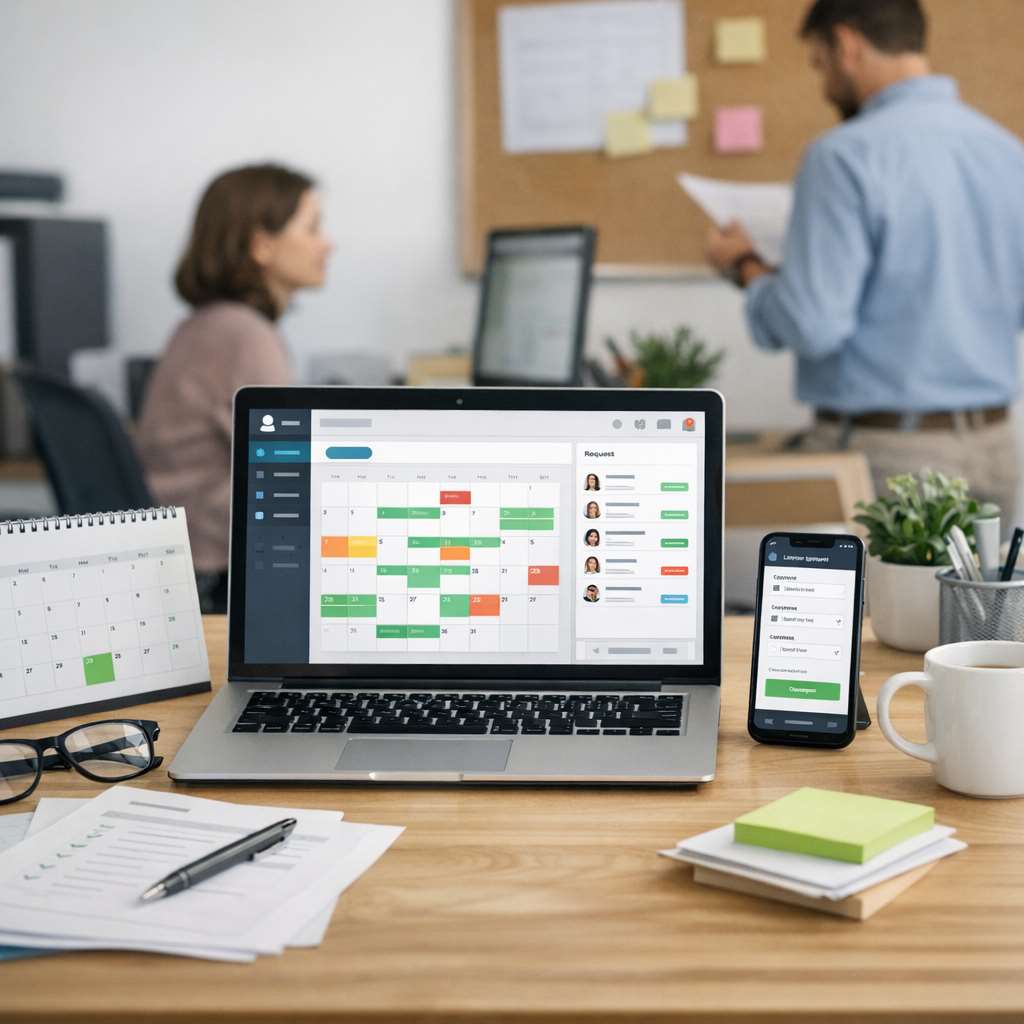
Tip: set aside a weekly ritual of 45 minutes (e.g. Friday 2pm) to sort parts, relaunch and update your indicators. This rhythm avoids the “mountain” effect.
2) Be clear about the legal framework for software
Three topics to know right from the start:
a) Electronic invoicing (e-invoicing)
B2B electronic invoicing will be rolled out in waves from 2026/2027. In concrete terms, your tool will have to issue, receive and transmit invoices in a structured format via an approved platform. Anticipate: choose e-invoicing-ready software (PDP/Peppol, structured formats, lifecycle status) to avoid having to migrate in a hurry.
b) Cash register software & VAT fraud prevention
If you use a POS cash register/register to collect cash from private individuals, and are subject to VAT, your system must guarantee that data is inalterable, secure, stored and archived. Insist on a solution certified by an accredited organization, and keep the certificate as proof in the event of an audit. Please note: if you don ‘t have your own cash register software, you are under no obligation to adopt one; if you do use one, you are obliged to ensure compliance.
c) Micro-entrepreneur (auto-entrepreneur)
Even in the micro-entrepreneur category, it is compulsory to keep a book of receipts (and, depending on the activity, a register of purchases). Sales declarations are made monthly or quarterly. Records must be kept for up to 10 years. A spreadsheet may be all you need, but a dedicated tool will make sure you don’t forget to set thresholds and deadlines.
3) Choosing your accounting software: price, scope, compliance
Don’t stop at the monthly rate. Evaluate functional coverage and hidden costs (users, files, OCR, exports). Compare :
- Unlimited bank connection and categorization.
- VAT management (franchise/assujetti), bundles and remote declarations.
- OCR for supporting documents + probative archiving.
- Automated customer follow-up and e-mail scenarios.
- Standardized exports for chartered accountants.
- 2026/2027 e-invoicing compatibility (formats, PDP, Peppol).
- Support and reversibility (recovery of your data in the event of departure).
For a budget overview, consult accounting software prices to align your choice with your real needs (BIC/BNC, VAT, volume of documents) and your growth phase.
4) “Zero stress” method for your administrative workflows
- Issue cleanly: a single pipeline quote → invoice → payment. Avoid cobbled-together PDFs.
- Capture at source: each expense = receipt scanned immediately (category + customer/project).
- Categorize each week: never leave more than 7 days behind.
- Follow-up without emotion: D+3 after deadline (friendly reminder), D+10 (firm e-mail), D+15 (call).
- Save: cloud + monthly PDF/CSV export(/Compta/2025/09/).
- Manage: update cash flow forecasts and URSSAF/tax/VAT schedules.
This simple routine reduces “administrative” time and avoids cash-flow problems. Another tip: some of my colleagues have set up AI AGENTS to follow up on unpaid invoices, using all available channels: sms, e-mail, whatsapp… and the results are quite impressive: a 70% drop in unpaid invoices or payment delays.
5) The “change of law” to anticipate when starting out
- E-invoicing: the obligation to receive and then issue electronic invoices is about to become mandatory. Prepare yourself by validating the compatibility of your software (formats, identifiers, platform) and testing a pilot mini-process with two customers.
- Cash register and traceability: if you take payments at the point of sale, make sure your POS is certified (end of self-certification). Train yourself in archiving procedures and keep your certificate of conformity.
- Auto-entrepreneur: gradual tightening of consistency checks (declared income vs. bank flows) and reminder of thresholds; even in the micro sector, keeping a clean, time-stamped income ledger remains the best anti-stress insurance.
6) Digitalize acquisition too (otherwise no figures to count)
The more structured your sales pipeline, the smoother your management will be:
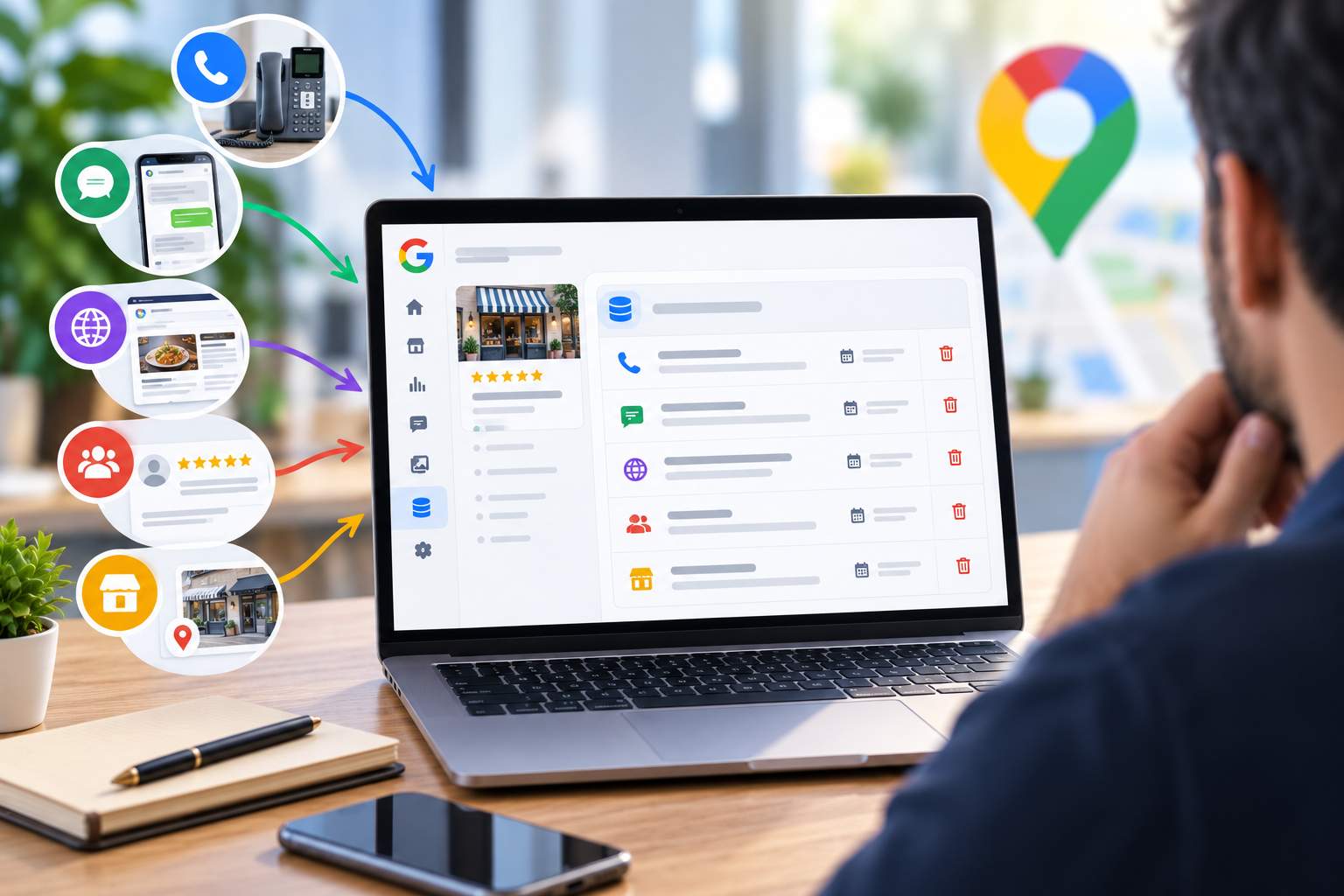
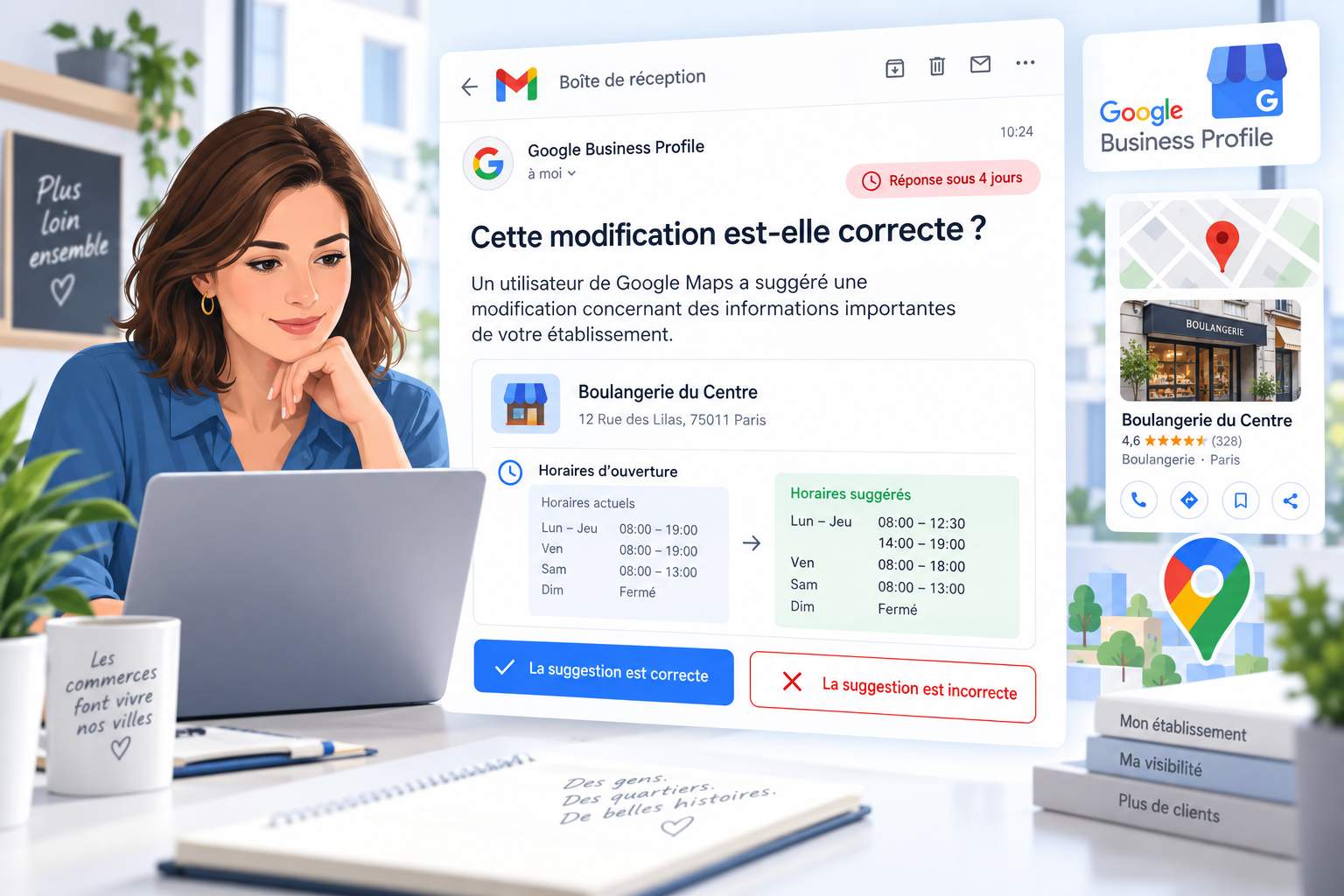
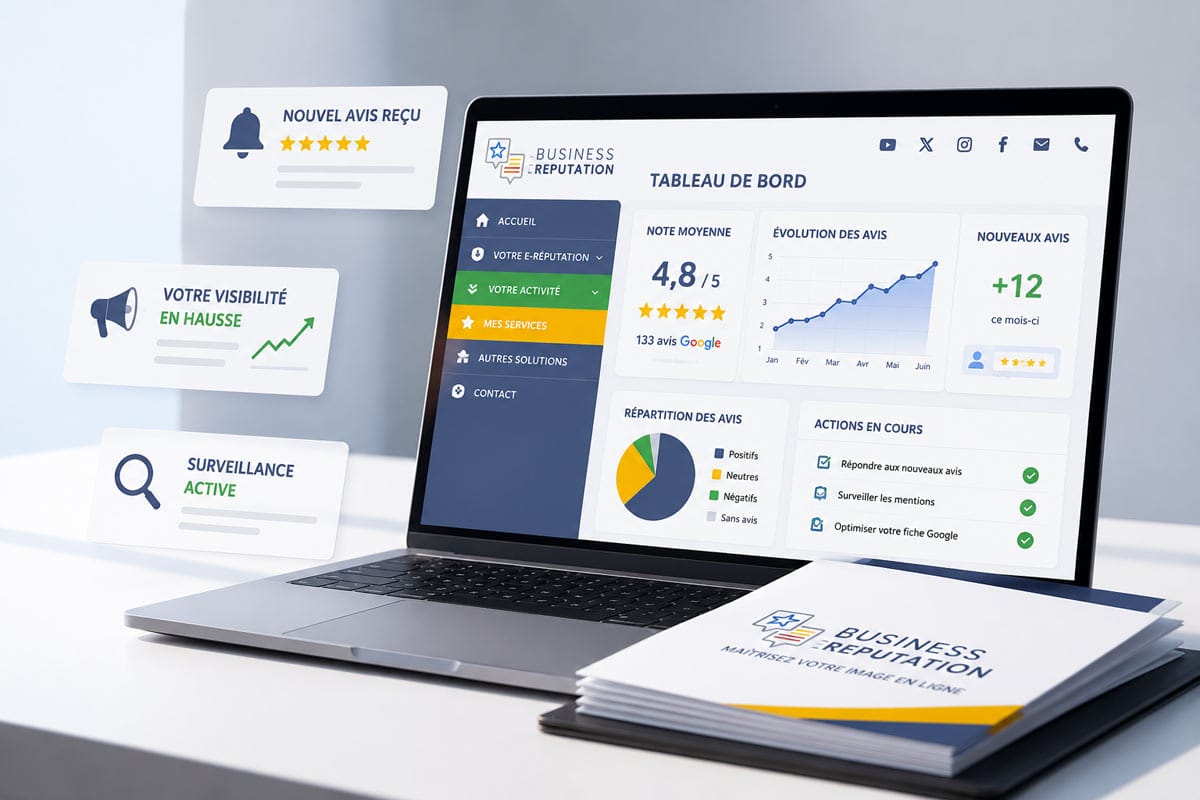
- Google Business profile: complete fill-in, relevant categories, authentic photos, rapid collection of first reviews.
- 1-page site: clear promise, proof (testimonials, logos), call to action, legal notice. Don’t forget to develop your site according to your cash flow, with one page per service (the same as on your google my business page). This is very important for SEO and the positioning of your google my business page.
- Online appointment booking & payment: short tunnel, automatic confirmation, one-click billing.
- Opportunity tracking: a kanban table (To contact → Proposal sent → Won/Lost) linked to your quotations/invoices for conversion rates, average basket, payment times.
7) Start-up checklist
- A compliant invoicing tool (e-invoicing ready).
- Bank connection + categories + reconciliation.
- Revenue book (micro) or appropriate journal (real).
- Automated customer follow-up.
- Archiving of supporting documents.
- 90-day cash flow forecast.
- Minimal SEO/local plan (Google Business listing + 1-page site).
My advice to you as an entrepreneur: lay down a simple, legally compliant software foundation, make your administrative procedures routine, anticipate e-invoicing and cash register compliance, and connect your tools to a clear sales pipeline. You’ll save time, avoid cash-flow scares and project a professional image from day 1, an image that will be highly beneficial to your reputation and a guarantee of seriousness in business.