The belief that a Wikipedia page is indispensable for building a professional e-reputation has long dominated personal branding strategies. This vision is now a thing of the past. The evolution of Google’s Knowledge Graph, the emergence of GEO (Generative Engine Optimization) and the rise of generative search engines are radically transforming the rules of the game. For entrepreneurs, managers and professionals wishing to control their digital image, understanding these changes is becoming a strategic priority.
The Wikipedia illusion: why this strategy no longer works
For more than a decade, SEO consultants have been repeating a piece of advice that has become dogma: “Get a Wikipedia page to trigger your Google Knowledge Panel”. According to a 2024 Gartner study, this recommendation is now obsolete. Google is actively diversifying its data sources to avoid the biases inherent in collaborative encyclopedias.
The reality of attempts to create Wikipedia pages for personal branding purposes is often disappointing. The encyclopedia’s volunteer editors apply strict notability criteria and are increasingly wary of promotional content. John Mueller, spokesman for Google Search, clarified this situation in no uncertain terms: randomly inserting a link into Wikipedia brings no SEO value and is a waste of time for all parties involved. Wikipedia’s external links systematically carry the “nofollow” attribute, neutralizing any direct SEO benefit.
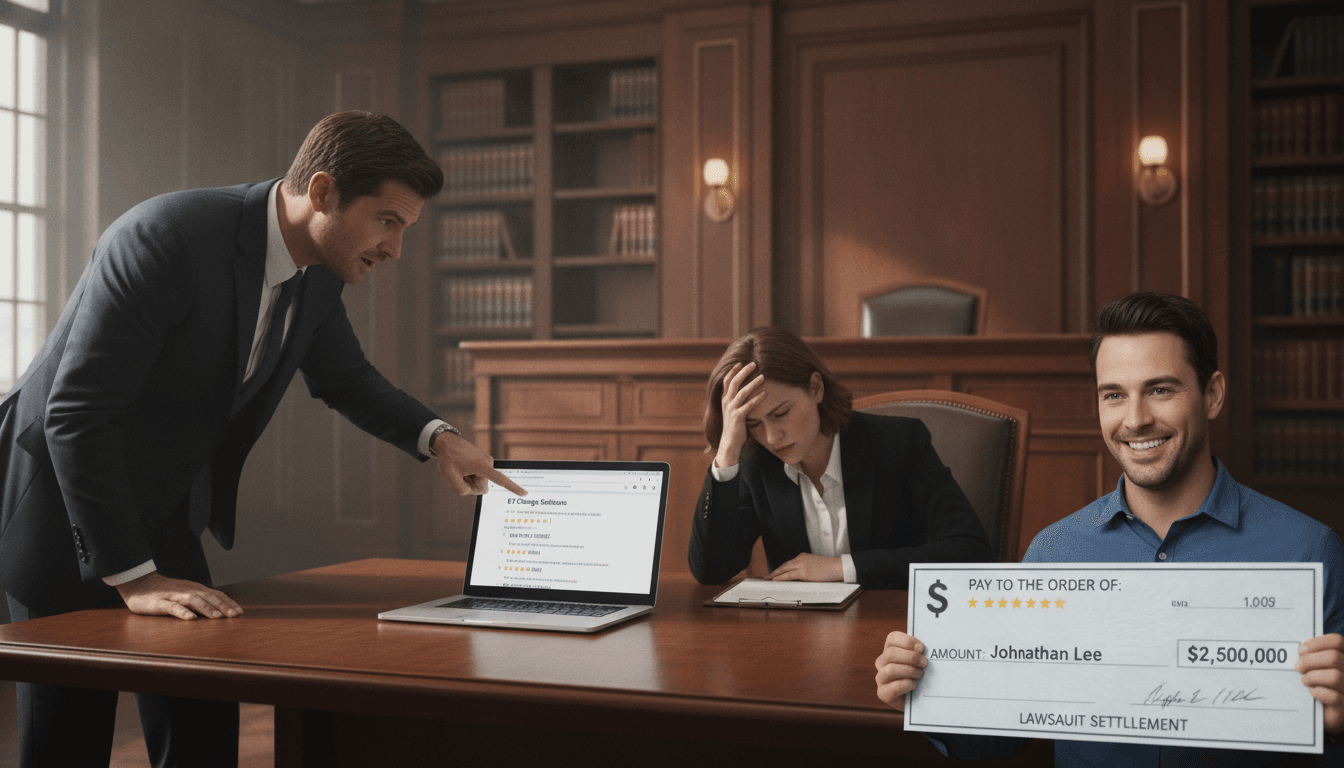
The risks go beyond mere inefficiency. A poorly referenced or contested Wikipedia page can damage your e-reputation rather than help it. Page deletions for non-compliance with eligibility criteria leave their mark on the encyclopedia’s public history, creating a negative signal for your professional image.
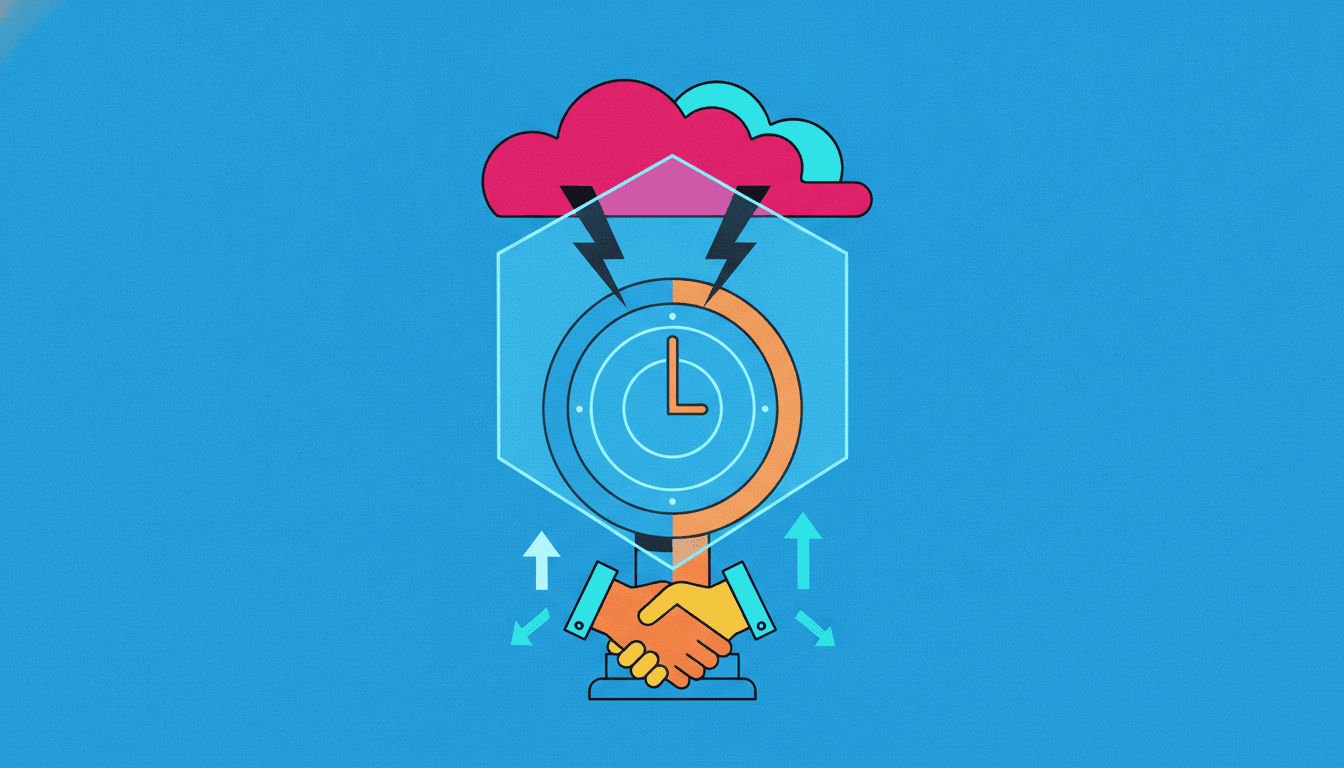
I have created the following infographic to help you understand these points:

The Knowledge Graph dethrones Wikipedia
Google’s Knowledge Vault has overtaken Wikipedia in terms of information capacity. According to analysis by Kalicube, a specialist in digital personal branding, the Knowledge Vault now contains 50 billion entities, compared with just 6 million articles on Wikipedia. This difference in scale explains why Google can no longer rely on a single source to verify facts about people and companies.
Recent data reveal a significant transformation in the sources cited in Knowledge Panels. Wikipedia’s share as the main source has fallen by a third in less than a year. Even more revealing, 22% of Knowledge Panels now show no source cited at all, indicating that Google is using multi-source corroboration mechanisms invisible to the user.
This development opens up new perspectives for professionals. Triggering a Knowledge Panel becomes accessible without having to go through Wikipedia. Alternative platforms are gaining in influence: Crunchbase, LinkedIn and Bloomberg collectively account for around 75% of non-Wikipedia sources cited in corporate Knowledge Panels worldwide.
GEO turns the tables: Wikipedia as a source for AIs
Generative Engine Optimization (GEO) represents the new frontier of SEO. This discipline, formalized by Princeton researchers in 2023, aims to optimize visibility in responses generated by artificial intelligences such as ChatGPT, Perplexity, Claude or Google Gemini.
And that’s where Wikipedia comes back into the equation, but from a radically different angle. Research from Frase.io reveals that ChatGPT quotes Wikipedia 47.9% of the time when answering factual questions. An analysis by GEO expert Josh Garner shows that Wikipedia accounted for 7.5% of all ChatGPT citations between November 2024 and March 2025. The collaborative encyclopedia is thus becoming a major source for generative engines, even if it is losing ground to traditional Google.
This paradox creates a novel situation: Wikipedia retains its importance as a source of information for AIs, but this importance no longer translates into direct benefits for your personal e-reputation. AIs use Wikipedia to verify general facts, not to build your individual reputation.
The impact on traffic: Wikipedia too is undergoing a transformation
Wikipedia itself is not immune to the upheavals caused by generative AI. Experts predict that traditional search volumes will fall by 25% by 2026, according to analysis by TripleDart Digital. This erosion will affect all sources of information, including the online encyclopedia.
The “zero-click” phenomenon is growing: users get their answers directly from AI interfaces without ever visiting the source sites. According to the Wall Street Journal, AI-generated searches could lead to a 20-40% reduction in organic traffic for companies that don’t adapt. Wikipedia, for all its authority, is under similar pressure.
Semrush projections indicate that traffic from LLMs (Large Language Models) could overtake that of Google Search by 2027. ChatGPT already counted over 400 million weekly users in February 2025, while Perplexity now handles 780 million monthly queries. This massive migration of search behavior is redefining the rules of online visibility.
Build your personal branding without relying on Wikipedia
Define your entity precisely
Your website is the primary source of information about you. Specialists call this approach “Entity Home”. The “About” page should clearly state who you are, your professional background and areas of expertise. This clarity enables Google’s algorithms and generative AI to identify and categorize your entity.
Schema.org markup plays a key role in this identification. The “sameAs” attribute should list all your legitimate professional profiles: LinkedIn, Twitter, company website, profiles on industry directories. This interconnection creates a web of structured data that can be exploited by all algorithmic systems.
Obtain corroboration from third-party sources
Google and generative AI require external validation of the information you publish about yourself. Mentions in recognized publications are essential signals of trust. An interview in an industry medium, a quotation in a specialist article or a contribution to an academic publication all reinforce the legitimacy of your entity.
Quality is more important than quantity. A mention in Les Echos or Le Monde will have more impact than a dozen press releases distributed on generic platforms. A targeted press relations strategy thus becomes a direct investment in your lasting e-reputation.
Using Wikidata rather than Wikipedia
Wikidata, Wikipedia’s sister project, functions as a structured database for machines rather than human readers. Creating a factual, sourced entry on Wikidata provides Google and AIs with exactly the data format they prefer. This approach bypasses Wikipedia’s editorial difficulties while delivering tangible results for your visibility.
Optimizing for generative engines
GEO sets new standards. Unlike traditional SEO, which optimizes for keywords, GEO favors semantic richness, question-answer structures and author credibility. Long “how-to” content loses effectiveness in the face of conversational AI: ChatGPT becomes a thought partner where questions follow one another rapidly.
To be cited by AIs, structure your content with short, clear answers (less than 40 words) accompanied by their sources. Figures, up-to-date statistics and concrete examples significantly increase your chances of being referenced in generative responses.
Keeping your information fresh
Generative engines prefer recent content to avoid propagating obsolete information. A guide published in 2025 will systematically be preferred to content from 2018, even if the latter was initially more complete. Update your strategic content regularly, add the words “Last update” and treat your online presence like a living ecosystem.
Measure your visibility in the new ecosystem
Traditional metrics are no longer sufficient. AI-referred traffic often appears as “direct traffic” in Google Analytics, making identification complex. New indicators are emerging: the “AI citation share” measures your share of citations in generative responses, while the “zero-click displacement rate” evaluates the impact of AI responses on your organic visits.
Specialized tools such as Otterly.ai or Surfer SEO’s LLM features allow you to track your mentions and citations in the responses of various AIs. Also include attribution questions in your contact forms: “How did you find out about us? ChatGPT, Perplexity, Google, other?”
AI-referred sessions increased by 527% between January and May 2025, according to the Previsible report. To ignore this channel is to miss out on an exponentially growing source of visibility.
Mistakes that sabotage your e-reputation
Purchasing Wikipedia page creation services from dubious providers exposes you to lasting sanctions. Wikipedia publicly reports these attempts at manipulation, creating reputational damage that is difficult to erase. Wikipedia’s Signpost regularly documents these scams targeting uninformed professionals.
The multiplication of identical profiles on low-quality directories dilutes rather than reinforces your authority. Google and AIs distinguish genuine signals from artificial attempts at amplification. Choose a few carefully crafted presences on recognized platforms rather than a scattering of obscure sites.
Neglecting GEO now represents a major strategic risk. Companies that maintain a traditional SEO approach without integrating GEO will gradually lose visibility with audiences migrating to conversational interfaces.
Another common mistake is abandoning your Entity Home in favor of third-party platforms. Entrusting control of your professional narrative to Wikipedia or other sites over which you have no control leaves you vulnerable to unsolicited modifications and algorithmic evolutions on these platforms.
Towards a sovereign e-reputation in 2026
The ongoing transformation offers a historic opportunity for professionals. Dependence on Wikipedia as a gateway to digital notoriety is fading in favor of an approach where you control your own source of truth.
This digital sovereignty requires an investment in method, but generates lasting benefits. An ecosystem of presence fed by sources you control is more resilient to reputational crises and a more accurate reflection of your true professional identity.
The personal branding of 2026 will no longer be built on semi-controlled encyclopedic pages, but on coherent digital ecosystems where each element reinforces your positioning, both with traditional search engines and generative artificial intelligence. Professionals who grasp this dual evolution today will have a significant competitive advantage in the algorithmic attention economy.
Sources consulted for this article:
- Search Engine Journal, “Wikipedia And SEO: Everything You Need To Know”, December 2024
- Kalicube, “Google is Replacing Wikipedia as Go-To Trusted Source”, January 2025
- Frase.io, “What is Generative Engine Optimization (GEO)? Complete 2025 Guide”, November 2025
- Seshes.ai, “The State of Generative Engine Optimization in 2025”, November 2025
- TripleDart Digital, “Generative Engine Optimization (GEO): The Complete Guide”, October 2025
- Digital Authority, “Generative Engine Optimization Trends To Watch In 2026”, December 2025
- Sequencr.ai, “GEO: Key Statistics and Trends for 2025”, September 2025
- Wikipedia, “Generative engine optimization”, January 2026