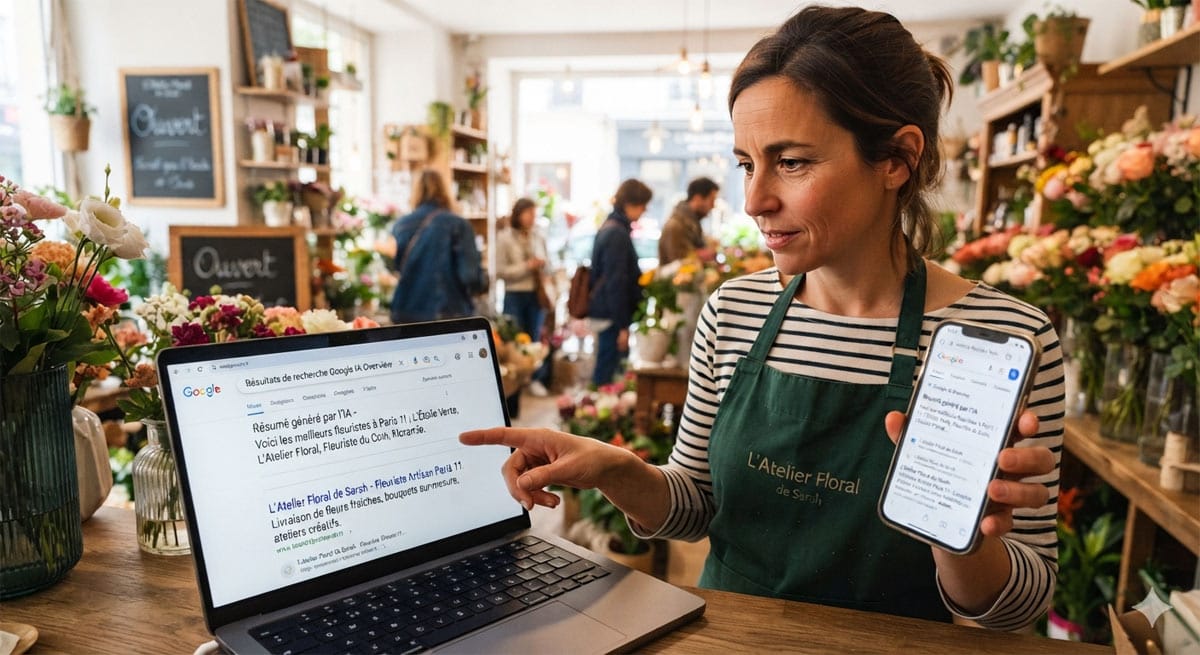
Artificial intelligence responds to your customers even before they click for the first time. Google AI Overview summarizes, ChatGPT makes recommendations, and Perplexity cites its sources. Faced with this wave, one question is on everyone’s lips among retailers and artisans: Is a website still useful? The answer lies in a simple observation. These tools don’t generate any new information. They simply copy it from existing web pages. Without your website, the AI assistant will talk about your competitors instead of you. To regain control, it’s best to partner with a website design agency in the 78 department that knows the local market, understands the expectations of local businesses, and is familiar with modern search engine best practices.
Will we still need a website in 2026?
Yes, more than ever. The numbers are surprising at first glance. According to a December 2025 Ahrefs study, the presence of an AI Overview reduces the click-through rate of the top organic result by 58%. The Pew Research Center reports a similar decline among internet users: 8% of clicks go to a link when a summary is displayed, compared to 15% without a summary.
This decline does not spell the end of the site. Traditional search still drives the bulk of traffic. By the end of 2025, Google was sending nearly 345 times more visitors than all AI platforms combined. Your customers continue to search, compare, and check an address or hours before walking through your door. Take a groom-to-be looking for a caterer: he reads the AI summary, then clicks to view menus, photos, detailed pricing, and reviews. This decisive moment plays out on a web page—yours or a competitor’s. A baker without a dedicated page disappears from this journey. Your website remains the anchor point that AI, social media, and search engines take turns consulting.
Where does Google AI Overview get its answers from?
Google AI Overview doesn’t make anything up. It compiles excerpts found on indexed pages and sometimes displays its sources. One principle sums up the logic behind generative search, known as GEO: without a solid page to crawl, the AI has nothing to cite.
The data confirms the importance of this issue. A Seer Interactive study shows that a brand mentioned in an AI Overview receives 35% more organic clicks. An arXiv analysis of 55,393 search queries notes that these summaries appear in 64.7% of the relevant searches, such as “best florist open on Sundays.” These specific queries account for the majority of local searches—the ones that lead a customer right to your doorstep. The logic is clear. If your page clearly answers the query, the AI features you. If your page isn’t there, the AI features the neighboring business. A well-structured website turns the AI into a showcase, never a rival.
Website, Google listing, or social media?
A Google listing and an Instagram account boost visibility. But they’re built on rented ground. If a rule changes, an algorithm gets stricter, or an account gets suspended without warning, your audience can vanish overnight.
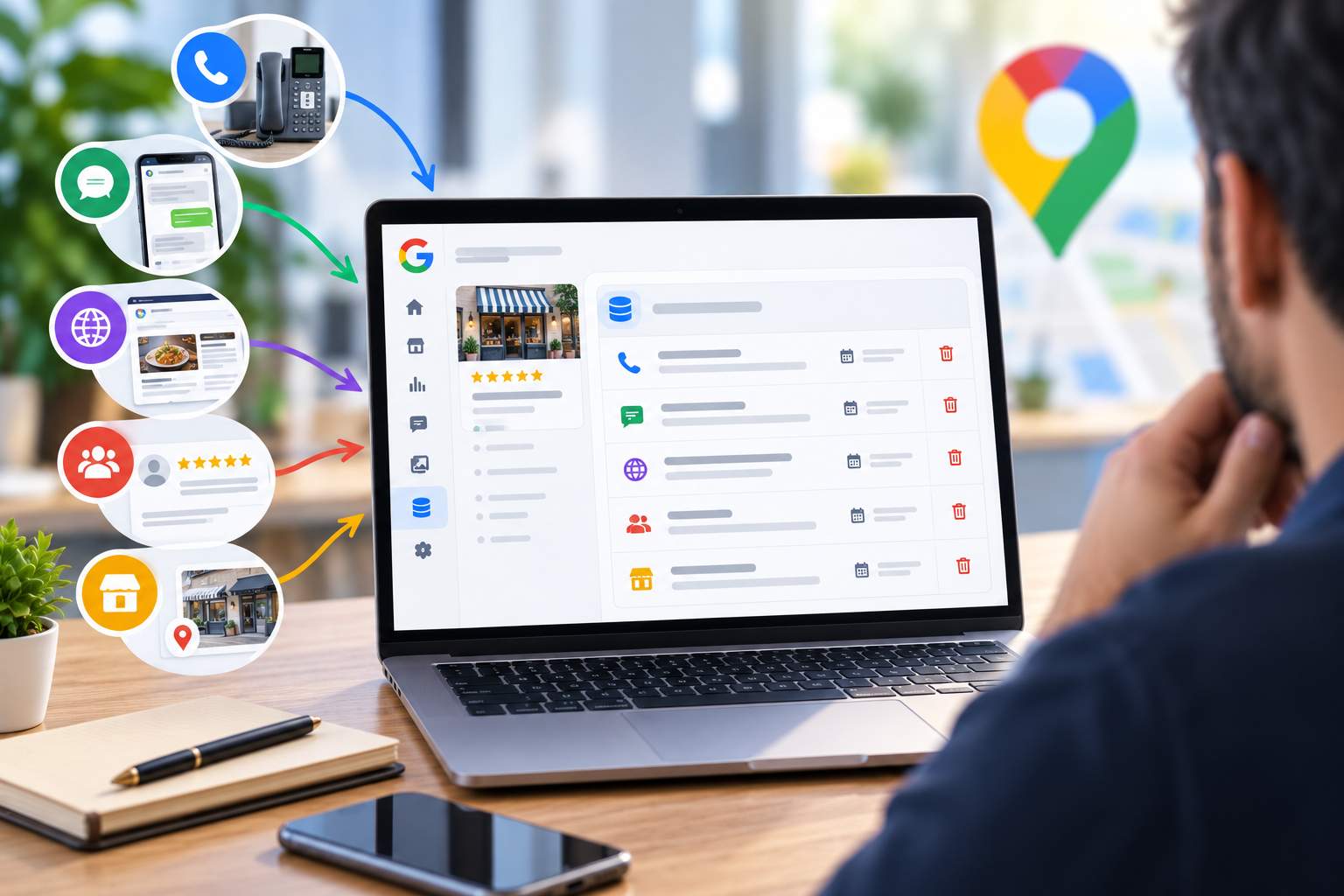
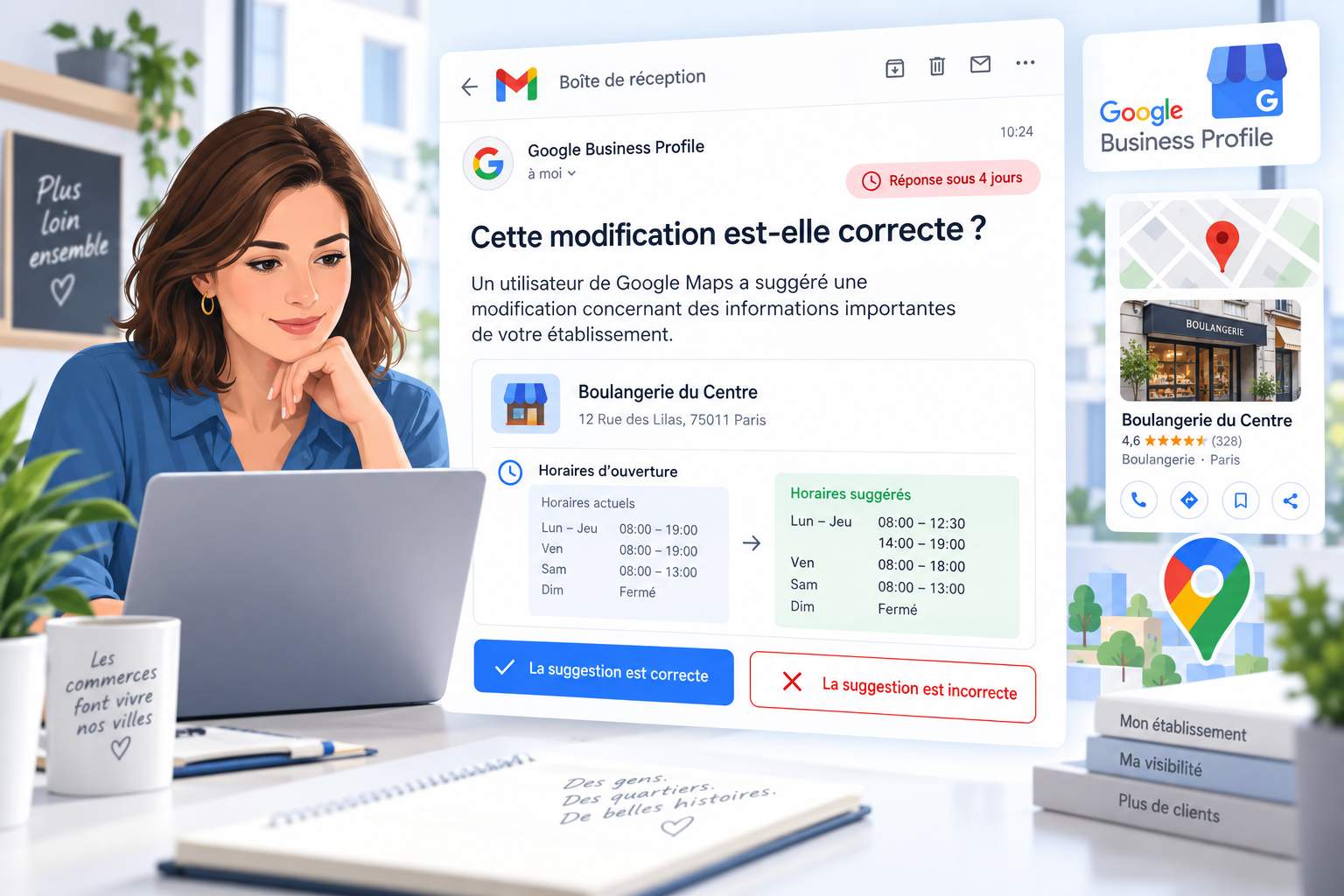
Your Google Business Profile acts like a signpost. It signals your presence, collects reviews, and displays your hours. But it doesn’t tell your story very well, provides few details about your products, and limits your ability to showcase your credentials. Your website, on the other hand, belongs entirely to you. It’s up and running at 2 a.m., showcases your full product line, and guides visitors toward making a call or a reservation. One example speaks for itself: a restaurant owner who builds everything around a Facebook page loses customers the day organic reach drops. That same restaurant owner, who owns their own website, retains control over their customer relationships. A plumber faces the same dynamic: a well-maintained website showcases their projects, service areas, and reviews, while a simple social media profile gets lost among videos and ads. But you still need to design that website methodically, keeping both your customers and search engines in mind.
How Does Your Website Boost Your Visibility in AI?
Your website directly feeds into search engine and virtual assistant results. A few adjustments can increase your chances of being cited:
- Answer a specific question right from the start, because AI systems prioritize the beginning of the text.
- Organize your content with clear headings, short lists, and direct answers.
- Back up each statement with concrete evidence: a figure, a date, or a local example.
- Sign your content with your real name—a sign of trust that search engines value.
- Refresh your pages every three months: AI prioritizes recent information.
These actions serve two purposes at once. They improve your ranking in traditional search results and your visibility in generative responses. A neglected website remains invisible in both areas. A well-maintained website attracts visitors and citations.
Where should you start with your business?
Start with the basics: a domain name in your name, reliable web hosting, and a site structure designed with your customers in mind. Three pages are all you need to get started: a clear homepage, a page detailing your services, and a contact page with your contact information and directions.
The next steps require expertise. A well-designed site, fast loading times, and a smooth mobile experience matter just as much to your visitors as they do to AI. Professional guidance speeds up the process and saves you months of trial and error. Your website then becomes the centerpiece of your online presence—the one that Google, AI, and your customers find first.
AI doesn’t replace your website. It consults it. Every summary from Google AI Overview, every recommendation from ChatGPT draws on web pages. Without yours, the narrative is built without you. A solid website remains your best ally for staying visible, credible, and chosen—today and tomorrow.