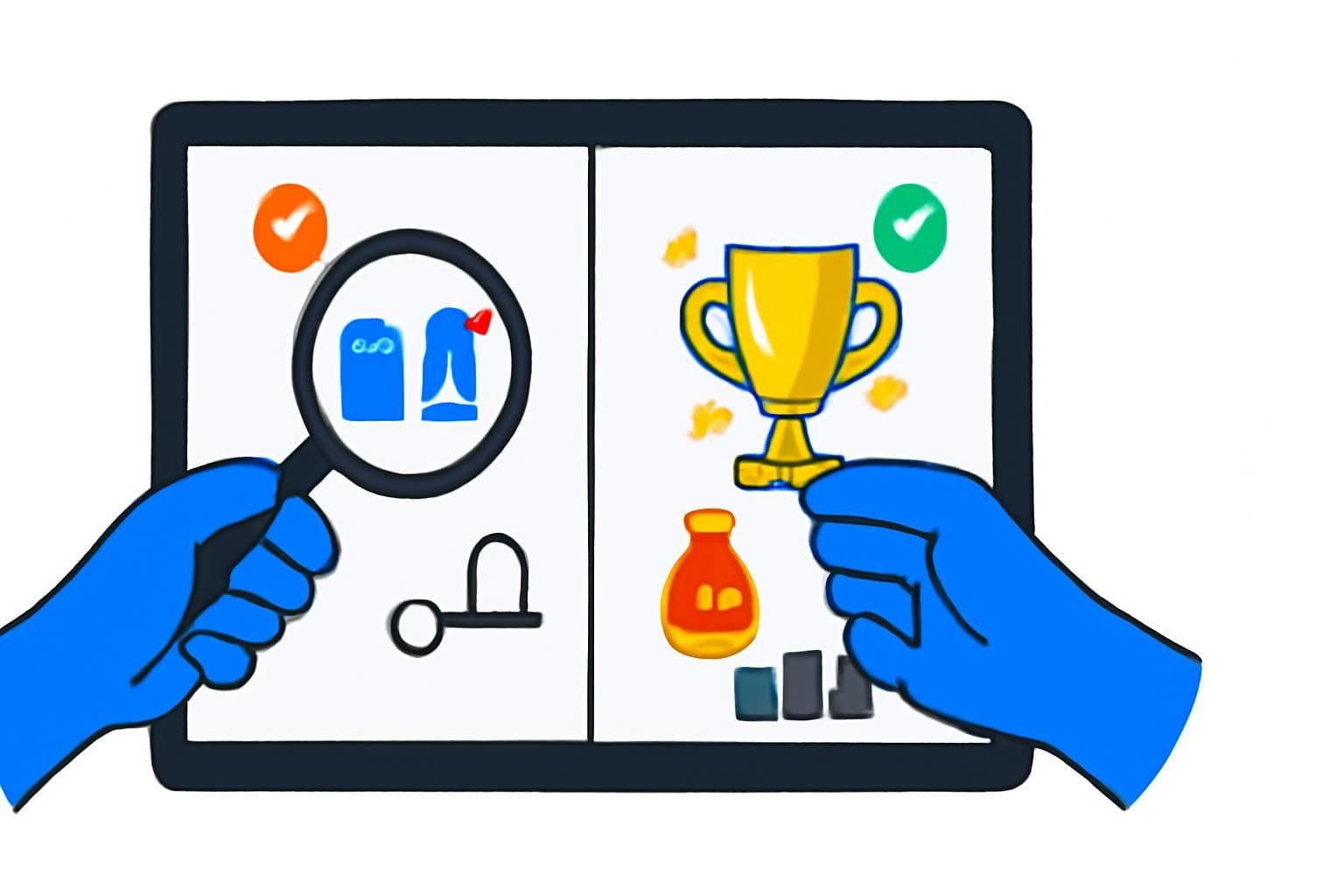
Your customers don’t live on just one platform. They search, compare, hesitate, and then make a decision by cross-referencing multiple sources. Ignoring this reality means letting your competitors tell your story for you.
In short:
- 93% of consumers read reviews before making a purchase, and 67% compare those reviews across multiple platforms.
- Omnichannel reputation management involves aligning your brand image across Google, Trustpilot, TripAdvisor, and social media—without simply duplicating the same message everywhere.
- A well-managed presence on 3 to 4 platforms boosts the conversion rate by 32% and strengthens local search engine optimization.
- Generative AI primarily recommends well-known brands and highlights those with a history of poor customer experiences.
- Automating online monitoring turns an administrative chore into a well-oiled machine that works while you sleep.
Omnichannel Reputation: Why a Single Platform Is No Longer Enough
Focusing your entire online reputation on a single channel is like opening a beautiful store on a deserted street. An omnichannel reputation addresses a behavior that has become the norm: your prospects check Google, Trustpilot, TripAdvisor, and social media before deciding to trust you. Each of these channels tells a piece of your story.
Take Camille, for example—she runs a bistro in Lyon. She proudly boasts a 4.8-star rating on Google with 200 reviews. The problem? Her neighbor, a restaurant owner, tops the rankings on TripAdvisor with a 4.6 rating and is raking in tourists planning their weekend trips from Paris or Barcelona. Camille excels in one area, but she’s invisible where a decisive portion of her reservations are made.
The numbers confirm this fragmentation. About 73% of all online reviews are concentrated on Google, but 36% of consumers check at least two platforms before making a purchase. This wide gap creates dangerous blind spots in a single-channel strategy.
The audience is shifting; you need to keep up
Each platform has its own community. Google captures impulsive local searches—that famous “restaurant near me” reflex. Facebook, with its 40 million active users in France, plays the social card: recommendations among friends, viral effects, and digital word of mouth. TripAdvisor, meanwhile, reigns supreme among travelers with 460 million monthly visitors.
These audiences only partially overlap. A cosmetics store reaches local searchers through Google, an enthusiastic customer base on specialized websites, and a more mature audience through Facebook. Ignoring one channel means missing out on an entire segment of potential customers.
A network of trust that Google loves
Beyond humans, your omnichannel reputation also speaks to algorithms. Consistent reviews spread across multiple sites send multiple signals of reliability that search engines value in their local rankings. A business with a presence on three or four platforms and consistent ratings inspires more trust than a brilliant but isolated presence. The bottom line is simple: wherever your customers are looking, that’s where you need to shine.
Aligning Opinions: Coordinating Efforts Without Losing Focus
Synchronization doesn’t mean copying the same message everywhere. It involves tailoring your message to each platform while maintaining a consistent level of service. A delighted customer deserves a different message on Google than on Trustpilot, because those two audiences aren’t looking for the same thing.
On Google, prioritize quick, location-based review requests, with a direct link sent shortly after the visit. On social media, focus on emotion and storytelling—that anecdote that makes people want to share it. On Trustpilot, encourage detailed, well-reasoned reviews—they’re perfect for convincing a hesitant prospect who’s in the purchasing phase.
Smart Routing: Your Best Ally
Let’s go back to Camille, our restaurant owner. She’s set up a rating system after each service. Customers who give a rating of 9 or 10 immediately receive a link to Google or TripAdvisor. Those who give a rating of 6 or lower are directed to her team to figure out what went wrong, before any public feedback is solicited.
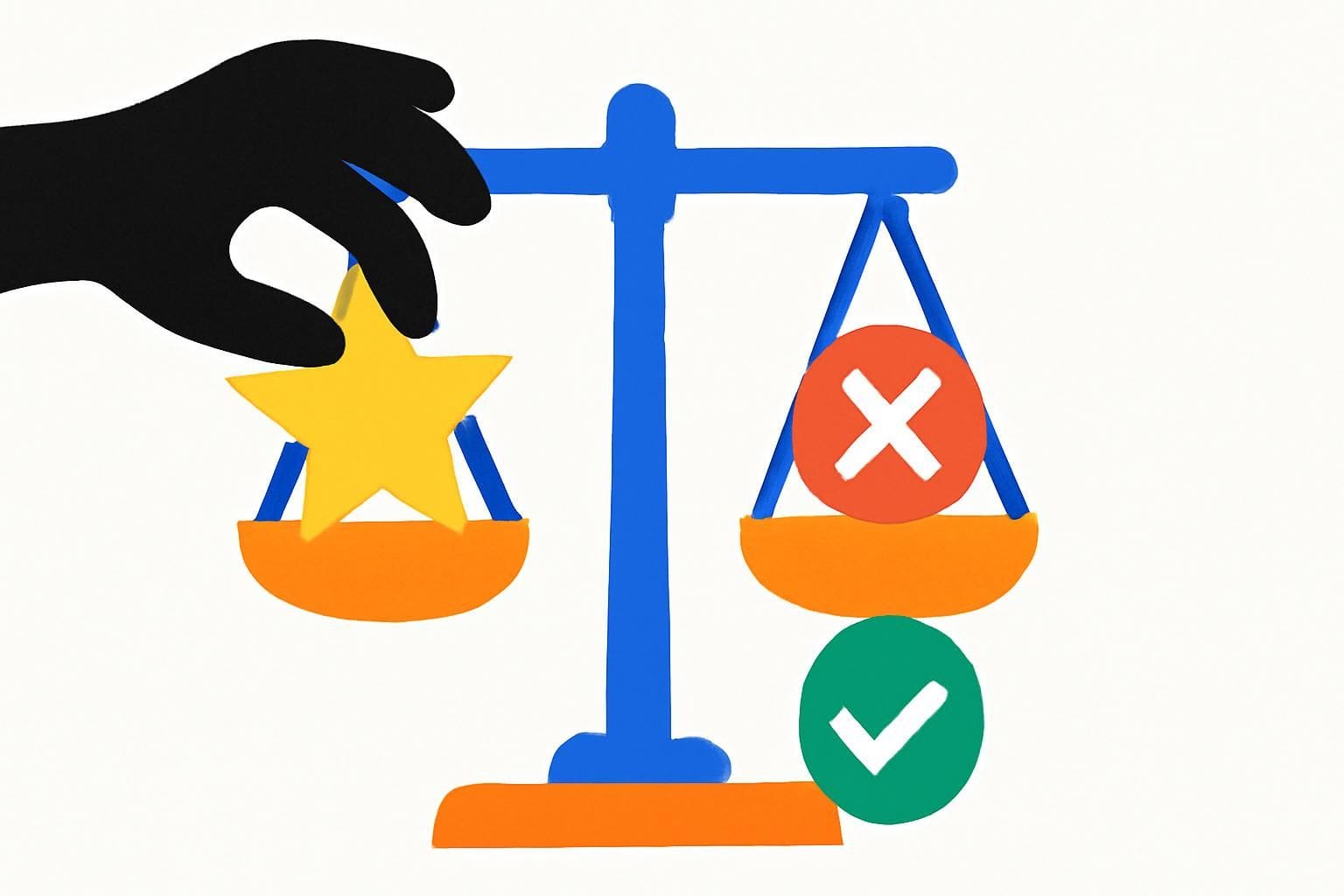
There is nothing dishonest about this mechanism: it maximizes the visibility of positive experiences while handling friction internally. Companies that adopt this smart routing see their average ratings rise by 0.3 to 0.6 points across all their channels. This is a fact that has been repeatedly verified in the field among merchants who are being guided toward self-sufficiency.
Compare to Choose Which Battles to Fight
Not all platforms carry the same weight depending on your industry. Here’s a guide to help you prioritize your efforts without spreading yourself too thin.
| Platform | Strengths | Ideal for |
|---|---|---|
| Google Business Profile | Direct SEO impact, maximum visibility, Maps integration | Any local business: artisans, shops, restaurants |
| Trustpilot | Trust badge, Google Ads integration, website widgets | E-commerce, SaaS, online services |
| TripAdvisor | International audience, influential ranking, Booking link | Hotels, restaurants, tourist activities |
| Viral effect, massive audience, social proof | Shops, restaurants, events | |
| Yellow Pages | Targeted French audience, with a strong presence of people aged 45 and older | Tradespeople, healthcare professionals, home care services |
To help you narrow down your choice between these two giants, this guide comparing Trustpilot and Google Business Profile for a French small business details the trade-offs based on your business model. The golden rule remains the same: it’s better to dominate three strategic platforms than to have a weak presence on ten.
Cross-Platform Review Management: Automate It Without Losing Sleep
Managing reviews across multiple channels quickly becomes an organizational nightmare if you handle them manually. Reaching out to each customer, directing them based on their satisfaction level, and responding everywhere—no one can keep up with that pace for more than two weeks. Automation transforms this burden into a smooth workflow.
A successful workflow relies on specific triggers. An email or text message is sent automatically after a confirmed delivery or a completed service. The message includes a scoring system and then directs the customer to the appropriate destination based on their score. Simple on paper, incredibly effective in practice.
The Metrics That Really Matter
Automating without measuring is like driving with your eyes closed. Monitor these metrics to steer your customer experience and make continuous adjustments.
- Conversion rate by channel: Aim for 15 to 25% of solicited customers to actually submit a review.
- Time between the trigger and the recall: the shorter it is, the more vivid the memory of the experience.
- Grade Distribution by Platform: A Discrepancy Reveals a Targeting Issue That Needs to Be Addressed.
- Recurring themes: The words that come up again and again reveal your strengths and your blind spots.
Here’s a telling example: if your Google reviews highlight “speed” while your Trustpilot reviews praise “professionalism,” your two audiences value different aspects. This information guides your communication strategy and team training based on the channel.
Tools Designed to Promote Independence
There are several solutions that make this process easier without tying you to a costly subscription. To compare the different approaches, this overviewof online reputation management tools for your brand is a good place to start, while this guide to cross-platform reputation management details unified strategies. The goal is never to create dependency, but to put you in control of your image in just a few minutes a day.
Reputation Analysis and Online Monitoring: Turning Reviews into Decisions
Collecting feedback is great. But deriving actionable insights from it is what sets leaders apart from followers.Reputation analysis transforms a flood of comments into a strategic compass for your business. Online monitoring then becomes a radar rather than just a decorative dashboard.
Don’t just keep an eye on your average rating. Dig deeper into the themes, compare differences across platforms, and identify patterns over time. A drop in satisfaction every Saturday night at Camille points to a service issue during peak hours—not to something that’s simply inevitable.
The New Justice of the Peace: Generative AI
A major shift is reshaping the landscape. When a consumer asks an AI, “What’s the best Italian restaurant near me?”, the system draws on available reputation data. It recommends highly regarded restaurants and, without hesitation, flags those that have received numerous reports of disappointing experiences.
In other words, your omnichannel reputation becomes the fuel for automated recommendations. A consistent brand with good ratings on Google, Trustpilot, and social media is propelled to the top. A neglected brand disappears from the radar—or even finds itself singled out. Competitors who invest early in this effort will quietly take market share away from those who lag behind.
Anticipating regulatory and technological developments
The landscape is changing rapidly. The European DSA is tightening transparency rules regarding fake reviews, voice assistants are altering search paths, and consumers are becoming increasingly savvy. Constant monitoring is becoming a survival instinct rather than a luxury.
The most mature companies leverage their review data to guide product decisions, adjust pricing, and refine their team training. To take this approach further, this comparison between Google and other review platforms can help you set your priorities, and this method for distributing your customer reviews across multiple platforms is a useful addition to your strategy.
Camille, on the other hand, didn’t wait around. After six months of careful planning, her bookings through TripAdvisor have skyrocketed, her bistro appears in voice search suggestions, and her neighbor has lost his lead. Your reputation isn’t just a box to check—it’s your best salesperson, working around the clock.