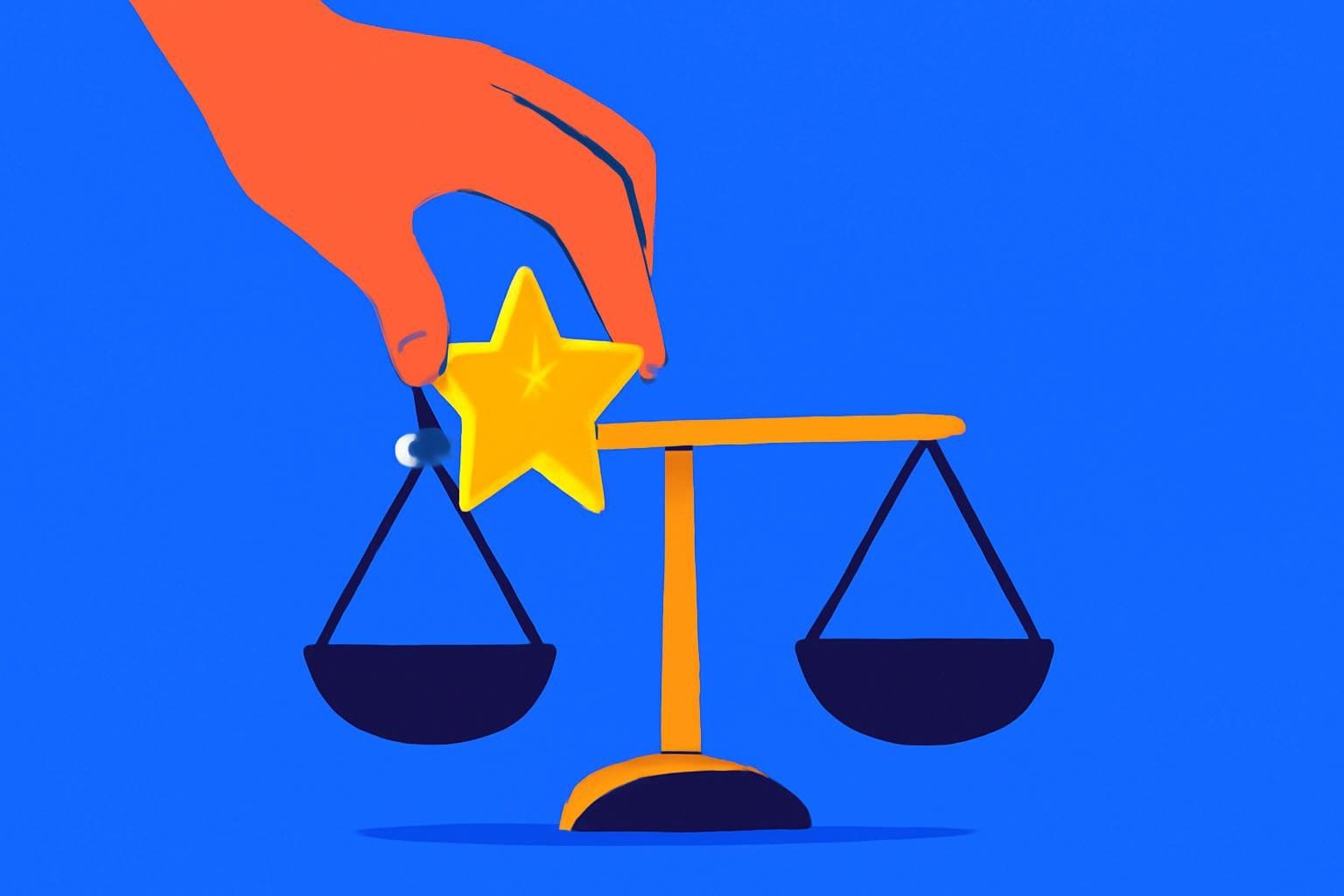
A dissatisfied customer, following a disastrous experience with the installation of a home charging station, decided to share his dissatisfaction on Google. His review, deemed too harsh by the company in question, triggered legal proceedings. The Paris court ruled in July 2026: criticism, even harsh criticism, remains protected as long as it is based on verified facts. This decision marks a turning point for companies that rely on legal action to stifle negative feedback. It also highlights an often-underestimated reality: a poorly handled review can cost far more than just one less star.
Charging stations for electric vehicles represent a rapidly expanding market where competition is fierce. However, poor management of customer feedback can turn a simple complaint into a reputational crisis. The case of BEEV, a company specializing in the leasing and installation of this infrastructure, is a perfect illustration of this. After months of unsuccessful attempts to resolve a technical issue, a customer posted a detailed review on the company’s Google My Business listing. Far from being a mere outburst of anger, the customer’s message precisely described the malfunctions encountered. The company responded by filing a lawsuit for defamation, seeking 5,000 euros in damages. After reviewing the facts, the court ruled in favor of the customer, emphasizing that freedom of expression takes precedence as long as the criticism remains well-founded and proportionate.
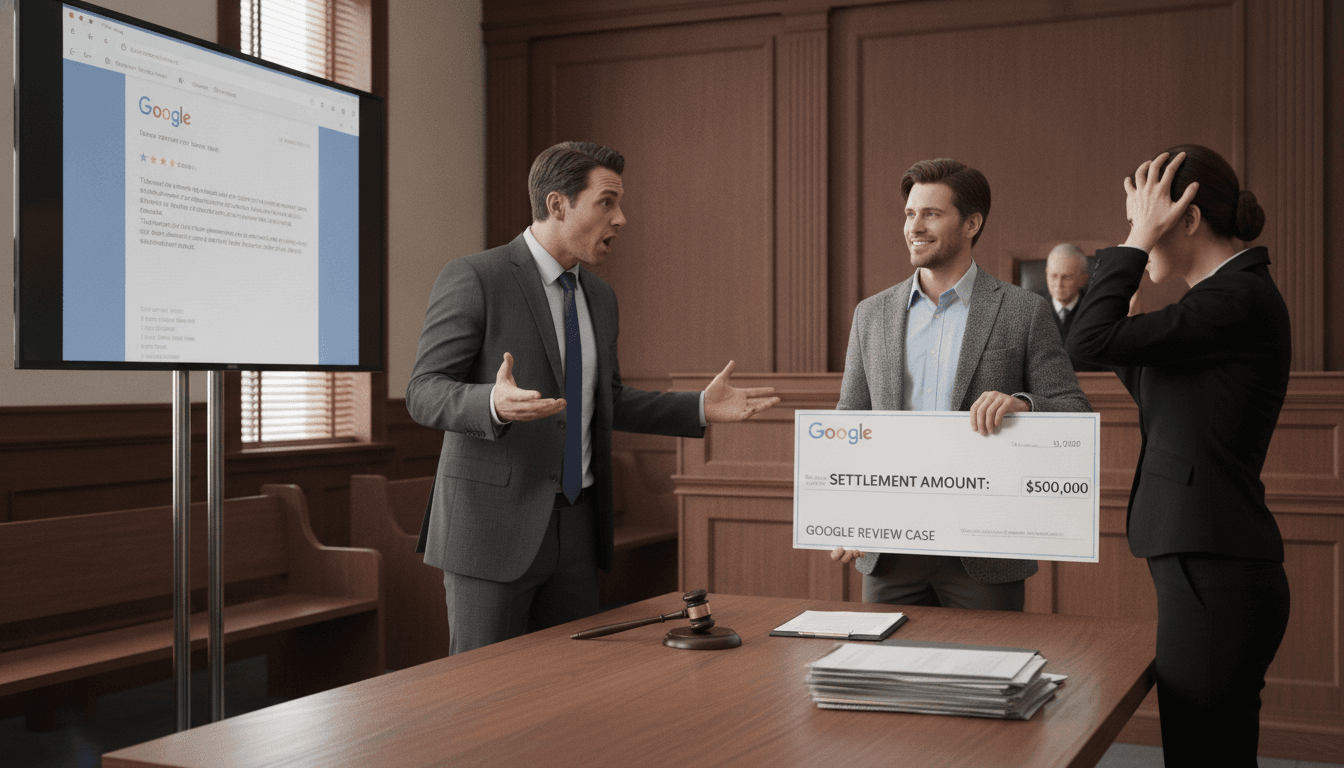
When a Google Review Becomes a Legal Issue: The Limits of Commercial Criticism
The BEEV case highlights a crucial issue for businesses: where does legitimate criticism end and defamation begin? The Paris court reiterated that the line between the two is based on three essential criteria. First, the truthfulness of the reported facts. In this case, the customer had documented every step of his dissatisfaction, from the charging station’s incorrect power output to the disputed signature on the work site report. Second, the proportionality of the tone used. Even though the review concluded with “Company to avoid,” the judges ruled that this phrasing, while harsh, remained within the bounds of a subjective expression tied to a personal experience. Finally, the public interest. The court emphasized that consumers have the right to be informed of any service malfunctions, especially in a sector as technical as that of charging stations.
This decision is in line with a body of case law that is increasingly protective of consumer rights. In 2023, a Parisian bakery had already lost a case after suing a customer for a review criticizing the quality of its baguettes. The judge ruled at the time that subjective opinions, even negative ones, fell under the protection of free speech as long as they were not based on false allegations. In the BEEV case, the company attempted to reclassify the case as defamation, a more restrictive legal framework that imposes a three-month statute of limitations for taking legal action. The court rejected this request, confirming that commercial disparagement, although harmful, does not enjoy the same protections as attacks on personal reputation.
For businesses, this case serves as a warning. A customer review management strategy based on the threat of legal action can backfire. Not only are baseless lawsuits likely to be dismissed, but they can also amplify the visibility of the initial dissatisfaction. This phenomenon is known asthe Streisand effect, where an attempt to censor information actually draws more attention to it. In the case of BEEV, the disputed review—which was initially viewed by only a few dozen people—was picked up by several media outlets and specialized forums, reaching thousands of internet users. This unintended publicity likely damaged the company’s reputation far more than the original comment did.
How to Turn a Dissatisfied Customer into an Opportunity to Boost Your Online Reputation
A negative review isn’t the end of the world. It can even become a tool to strengthen a company’s credibility—provided the right approach is taken. The BEEV case illustrates what happens when customer feedback is handled through confrontation rather than dialogue. Yet solutions exist to defuse tensions and, in some cases, turn a critic into an advocate. The first step is to respond publicly to the review, acknowledging the issues raised and offering a concrete solution. A generic response, like the one BEEV copied and pasted under several reviews, only makes the situation worse by giving the impression of a lack of empathy.
Let’s take the example of a hair salon in Lyon that successfully turned a series of negative reviews into a customer loyalty campaign. A customer had posted a scathing review after a botched haircut, accusing the salon of a lack of professionalism. Rather than deleting the review or taking legal action, the manager responded by offering a free follow-up haircut, performed by a senior stylist. Not only did the customer accept, but he then posted a second review—this time positive—praising the team’s responsiveness. Better yet, this approach caught the attention of other customers, who appreciated the salon’s transparency. The result: a 15% increase in online bookings in the months that followed.
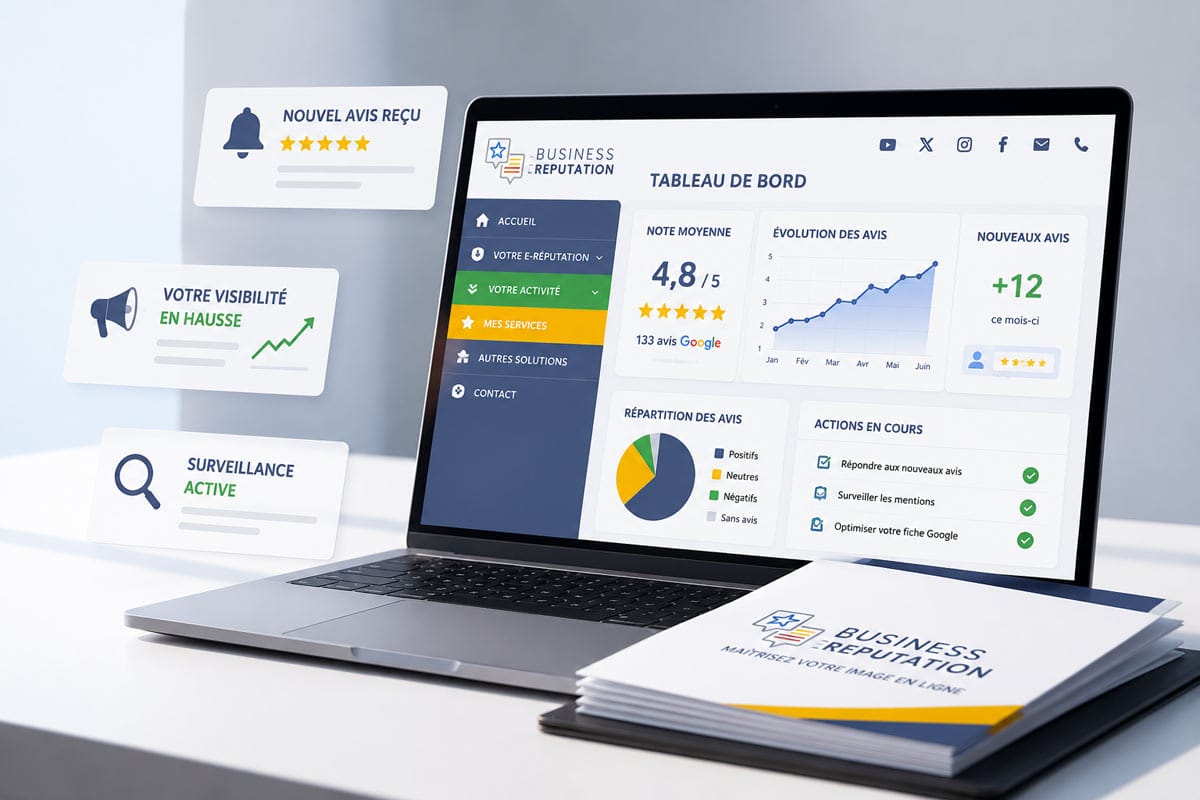
For businesses, the challenge goes far beyond simply managing reviews. It’s about developing a proactive strategy that incorporates customer feedback as a source of continuous improvement. Monitoring tools, such as those compared in this guide for small businesses, allow companies to track brand mentions in real time and respond quickly. Another approach is to train teams in conflict management, equipping them with the skills to defuse tensions before they escalate. Finally, companies can draw inspiration from best practices for turning dissatisfied customers into brand advocates—a process based on listening, resolving issues, and valuing customer feedback.
The BEEV case also highlights the importance of choosing your battles wisely. Taking legal action over a negative review can be costly—not only in terms of legal fees, but also in terms of reputation. Consumers are increasingly attuned to corporate ethics, and a legal action perceived as abusive can permanently tarnish a company’s reputation. On the other hand, a sympathetic response and a concrete solution can turn the situation around in the brand’s favor. This is exactly what a Toulouse-based plumbing company achieved: not only did it resolve the issue for a dissatisfied customer, but it also used the customer’s testimonial to create a video highlighting its transparency, which went viral on social media.
The Impact of Google Reviews on Purchasing Decisions in the Age of AI and Local Algorithms
By 2026, online reviews are no longer just comments: they directly influence recommendation algorithms, whether in Google search results or suggestions from voice assistants like Gemini. A recent study conducted by an agency specializing in local SEO reveals that 82% of consumers check reviews before choosing a service provider, and that 68% of them will avoid a business if its average rating is below 3.5 stars. In the charging station sector, where installations represent a significant investment, this figure rises to 90%. Algorithms, for their part, systematically favor highly rated businesses, creating a virtuous (or vicious) cycle: the more positive reviews a business has, the higher it appears in search results, and the more new customers it attracts.
The BEEV case highlights another crucial aspect: the impact of reviews on purchasing decisions in the age of artificial intelligence. Assistants like Gemini or chatbots integrated into e-commerce sites rely on ratings and reviews to make their recommendations. A negative review—especially if it’s detailed and well-supported—can thus deter hundreds of potential customers without the company even realizing it. Worse still, Google’s algorithms penalize Google My Business listings that experience a sharp drop in their average rating, pushing them to the bottom of search results. For a company like BEEV, whose business relies heavily on in-home installations, this loss of visibility can result in a significant drop in revenue.
Given this reality, companies need to rethink their approach to managing reviews. Rather than trying to remove negative comments, they would be better off anticipating them by improving the quality of their services. A study of 500 small French businesses shows that companies that consistently respond to their reviews—whether positive or negative—see their average rating increase by 0.5 to 1 star within six months. This practice, far from being insignificant, sends a positive signal to algorithms, which interpret responses as a sign of professionalism and customer engagement. For multi-location businesses, such as franchise networks, this strategy can be deployed on a large scale using centralized review management tools.
The BEEV case also raises a broader issue: the responsibility of platforms for moderating reviews. Google, which hosts the majority of online reviews, enforces strict rules to combat fake reviews, but its moderation system remains imperfect. Malicious companies can thus post positive reviews to artificially inflate their ratings, while unscrupulous competitors spread negative comments to damage their reputation. In 2025, an investigation by the DGCCRF revealed that nearly 20% of online reviews in certain sectors were fraudulent. In response to this problem, solutions are emerging, such as the use of blockchain to certify the authenticity of reviews. In fact, a French startup launched a platform in 2024 that allows businesses to verify their customers’ identities before they post a review, thereby reducing the risk of fraud.
For businesses, the challenge is twofold. On the one hand, they must actively monitor their online reputation to detect fraudulent reviews and report them to the platforms. On the other hand, they must incorporate customer feedback into their overall strategy, viewing it as a source of continuous improvement. A Parisian restaurant, for example, reduced the number of negative reviews by 40% by implementing a real-time feedback system that allows customers to immediately report any issues. The result: a 25% increase in its average Google rating in less than a year.
Finally, the BEEV case serves as a reminder that online reputation isn’t limited to Google reviews. Social media, specialized forums, and even comparison sites play an increasingly important role in how a brand is perceived. A company that neglects these channels risks facing reputation crises that are difficult to manage. In 2025, for example, a major retail chain saw its revenue drop by 12% after a viral video—showing an employee refusing to issue a refund to a customer—was shared millions of times. To avoid this type of scenario, companies must adopt a holistic approach to their online reputation by monitoring all platforms where their brand is mentioned and responding quickly when problems arise.